FAQs
Walex RV FAQs
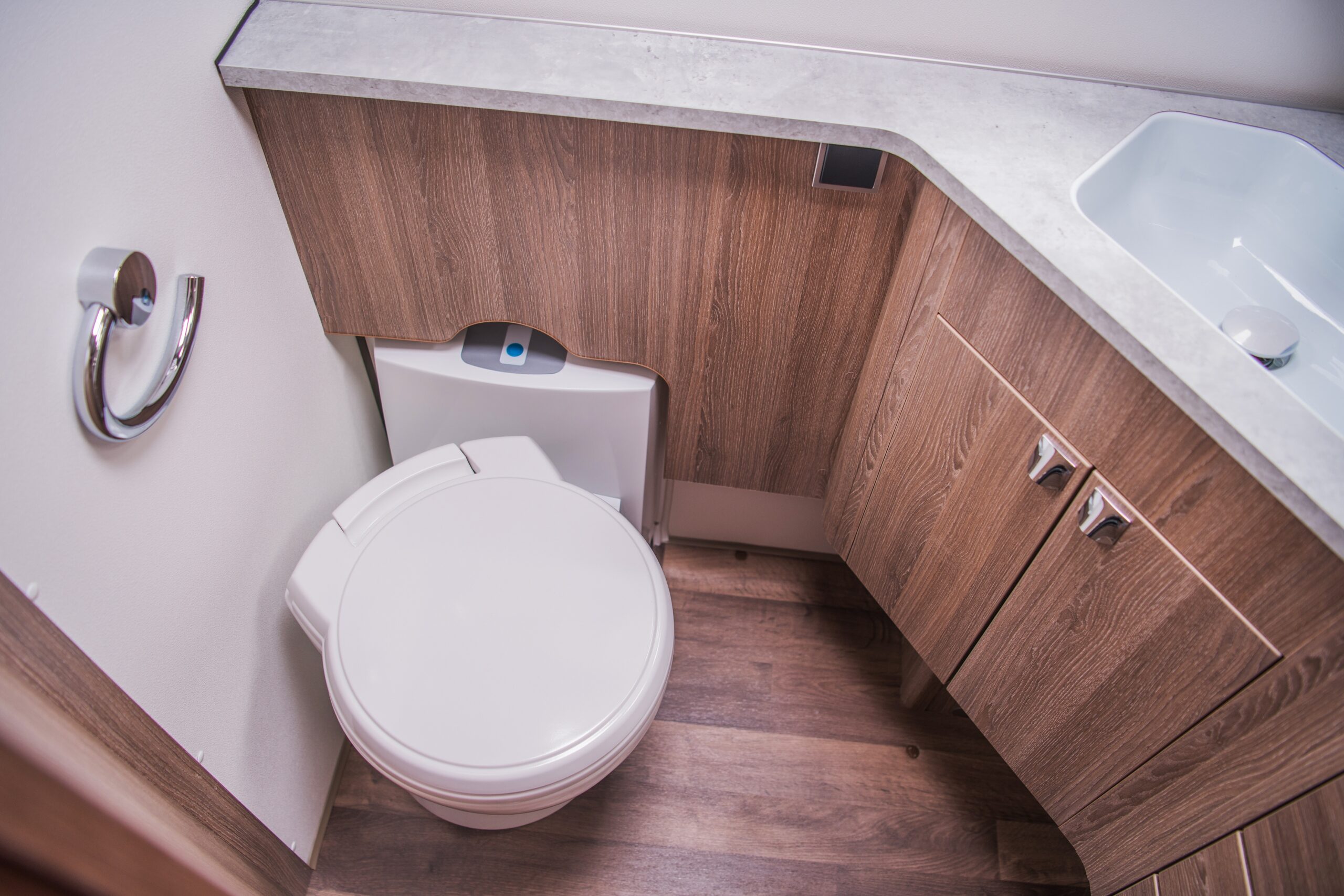
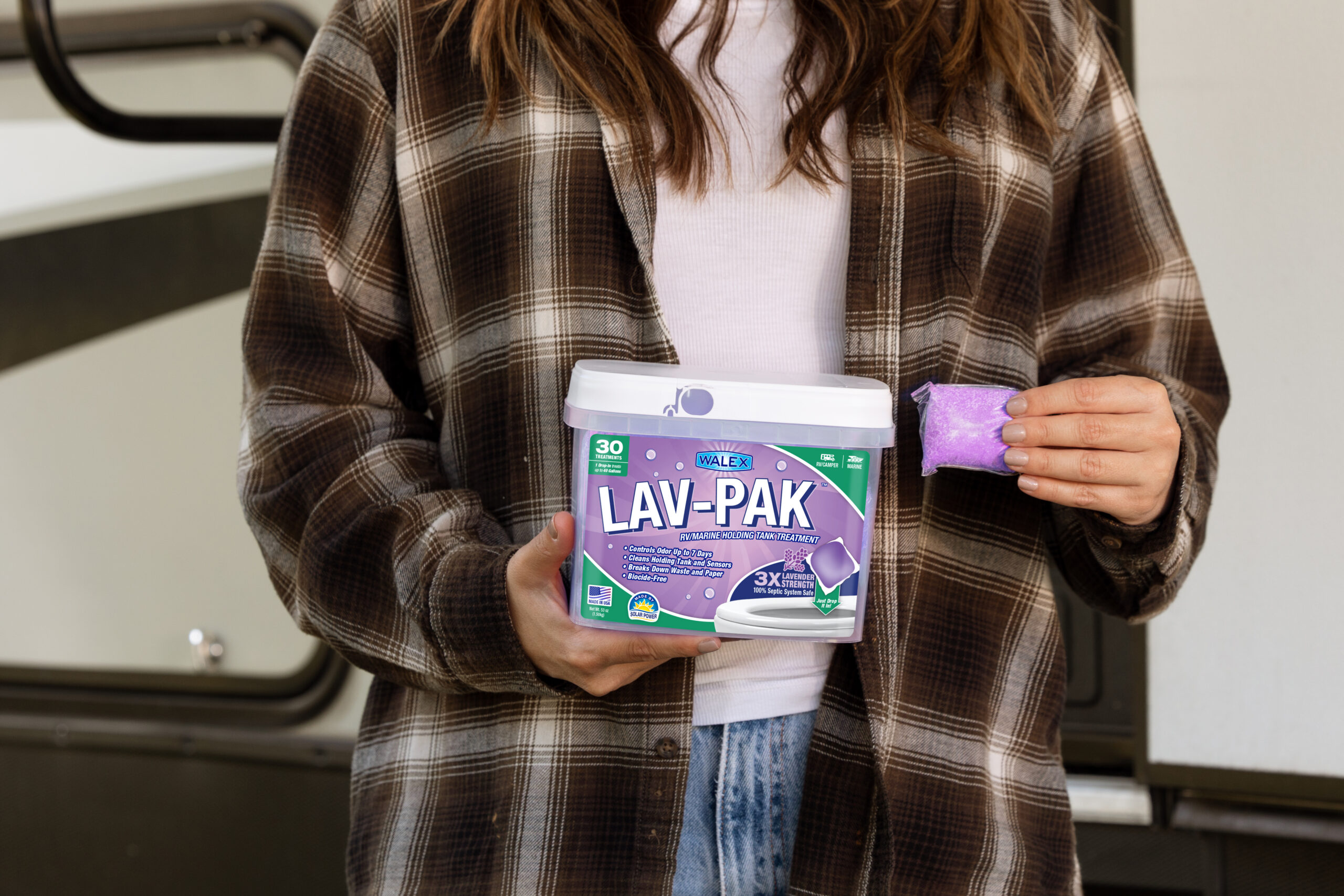
How often should I add RV tank deodorizer?
Add deodorizer right after you dump and refill your black tank. For two people in a moderate climate, that’s typically every 5–7 days, but frequency varies with tank size, usage, and temperature.
When is the best time to dump my RV black tank?
Dump when the tank is about 2/3 full. A fuller tank creates stronger flow, which helps carry solids out and reduces buildup, odors, and clogs.
Should I dump the black tank or grey tank first?
Dump the black tank first, then the grey tank. Grey water helps rinse residue from the hose and makes cleanup easier.
Why do my black tank sensors read 2/3 full even after dumping?
False readings are usually caused by waste and toilet paper residue stuck to tank walls or sensor probes. A deep clean can remove buildup and restore accurate readings.
How do I restore RV black tank sensor accuracy?
Deep clean the black tank: empty and rinse, add a black tank cleaner like Commando, fill above sensor level, let it soak 12–24 hours (longer is fine), then dump and rinse again.
How long should I leave Commando in my black tank?
Leave it in for at least 12–24 hours. If you need to leave it for 48–72 hours or longer, that’s okay and can help with stubborn buildup.
What is a “pyramid plug” and how do I prevent it?
A pyramid plug is hardened waste buildup caused by not enough water or dumping too frequently. Prevent it by using plenty of water with each flush, dumping around 2/3 full, and using a digester-style treatment to keep solids liquefied.
How much water should I add to my black tank after dumping?
Start with about 1.25 gallons of water per 10 gallons of tank capacity (about 5 gallons for a 40-gallon tank). Adequate water keeps waste below the waterline so treatments can work effectively.
Can toilet paper cause RV black tank clogs?
Yes. Toilet paper can bind solids together and contribute to clumps, odors, and sensor issues—especially with low water usage. The right digestion-focused treatment helps break down paper and solids.
Do I really need special RV toilet paper?
Not always. If you use a strong digestion-focused treatment like Bio-Pak or Bio-Fresh, many RVers can use regular household toilet paper without problems.
What’s the difference between a performance-driven formula and a natural enzyme formula?
A performance-driven formula is built for maximum odor defense, especially in extreme heat or heavy use. A natural enzyme formula focuses on digesting waste and toilet paper to prevent clogs, buildup, and sensor problems.
Which tank treatment is better for hot climates?
In very hot weather, many RVers prefer a performance-driven formula for stronger odor defense. In most other conditions, an enzyme formula is a great choice for digestion and long-term tank cleanliness.
Are enzyme-based RV tank treatments septic safe?
Yes. Enzyme-based treatments are designed to support digestion without disrupting beneficial bacteria, making them a smart option if you dump into a home septic system.
Can I dump my RV tank into my home septic system?
Often yes—if you use septic-safe, enzyme-based treatments. If you’re unsure, choose biocide-free options and follow local rules for disposal.
What causes grey tank odors in an RV?
Grey tanks collect sink and shower water, which carries grease, soap scum, and food residue. Over time, this can form organic sludge that creates odors and slow drains.
How do I deodorize and clean my RV grey tank?
Use a grey tank-specific treatment like Elemonate. Drop a tablet into the sink drain, run water briefly to dissolve, and dump the tank regularly to prevent buildup.
Can I use Commando in my grey tank?
Commando is designed for black tanks, but some RVers use it to help with grey tank sensor issues. For ongoing grey tank sanitation and grease/sludge control, use a grey-tank product like Elemonate.
Can I use Elemonate in my home sink or garbage disposal?
Yes. Home drains can also develop odors from grease and residue. Use Elemonate the same way: drop a tablet into the drain and run water to dissolve so enzymes can help freshen pipes.
How much deodorizer should I use in a cassette toilet or porta-potty?
Use one full drop-in packet. For a 5-gallon tank, add 3/4 to 1 gallon of water. For a 2.5-gallon tank, add about 1/2 gallon of water.
What are the best steps to keep RV odors under control beyond the black tank?
Maintain the grey tank, deep clean the black tank periodically, and address interior air odors with products like Odor Absorber or sprays like Assure Odor Eliminator, especially near trash, pets, laundry, and damp areas.