Categories

February 24,2026
Complete RV Holding Tank Maintenance Guide
The Complete RV Holding Tank Maintenance Guide
Want fewer odors, fewer sensor problems, and fewer clogs? RV holding tank care isn’t complicated — but it does require consistency.
Quick answer: The best RV tank maintenance routine is built on three pillars: (1) proper water use, (2) smart dumping habits, and (3) using the right treatment type for your trip style and temperature. Do those three things and most black tank problems disappear.
This guide gives you a simple, repeatable routine for:
- Daily use best practices
- Proper dumping procedures
- What to do after dumping (treating protocol)
- Water usage rules that prevent buildup
- Seasonal changes (summer vs winter)
- Storage and winterizing
- An annual deep clean plan
- A printable checklist
Daily Use Best Practices
Most RV tank problems start with daily habits. These small actions prevent big issues.
1) Start With Water in the Tank
After dumping, add water before the next use. This keeps waste submerged and prevents “mounding” under the toilet.
2) Never “Dry Flush”
Using minimal water increases sticking, buildup, and paper clumping. Water is your #1 tool for preventing odor and clogs.
3) If Clogs are an Issue, Use Toilet Paper That Breaks Down Quickly
Some household tissues resist separating in water. Paper that stays intact increases clog and sensor problems.
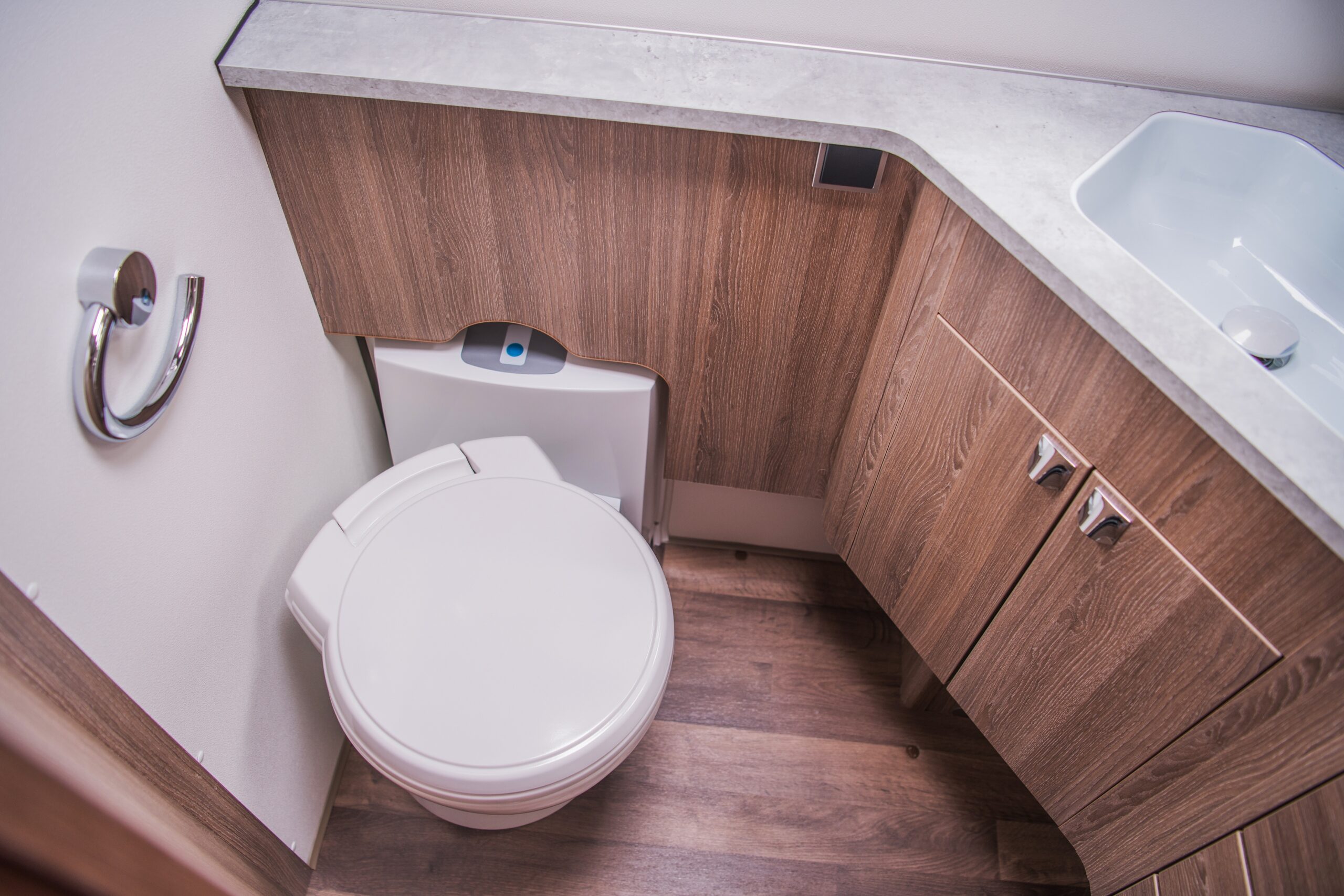
4) Keep the Toilet Seal Wet
A dry toilet seal can allow odors to enter the RV. Make sure there’s always water in the bowl between uses.
Dumping Procedures
Dumping correctly helps evacuate solids and prevents leftover residue from becoming tomorrow’s problem.
1) Dump When the Tank Is 2/3 Full or More
A fuller tank dumps with more force, carrying solids out more effectively. Dumping too early often leaves material behind.
2) Use a Full, Steady Dump
Open the valve fully and allow it to drain completely before you rinse or flush.
3) Rinse (If Available)
If your setup includes a built-in rinse or flush system, use it to reduce residual buildup. Avoid over-rinsing if you don’t have an easy way to dump the rinse water properly.
4) Close Valve and Add Water Immediately
Do not leave the valve open at a campsite hookup. That can create “poo pyramids” because liquids drain away while solids remain and stack.
Post-Dump Treatment Protocol
Quick answer: Always add water first, then add treatment.
Step 1: Add Water
Start with enough water to keep waste submerged during the next use cycle (many RVers begin with 3–5 gallons).
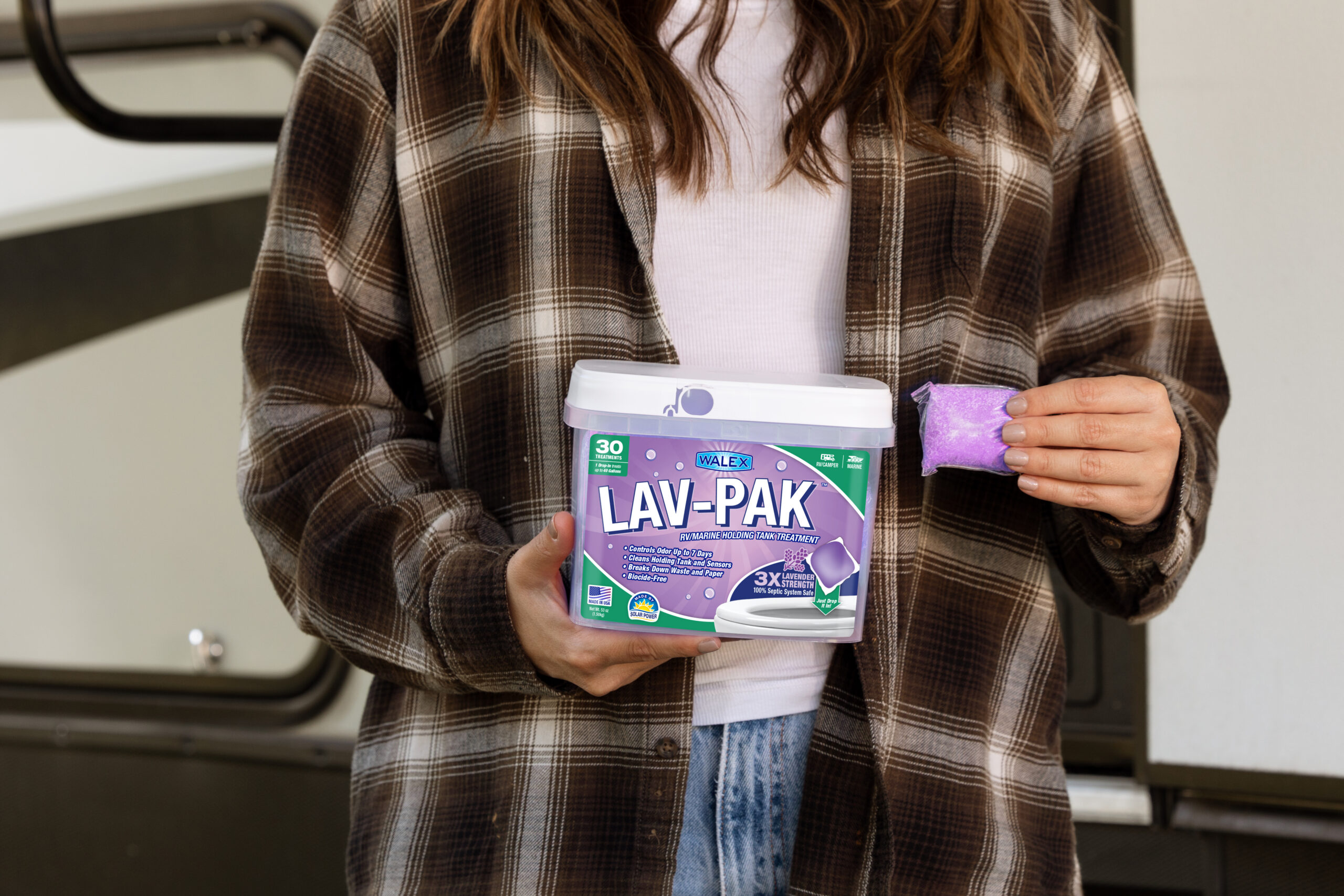
Step 2: Add Treatment Immediately
Add your black tank treatment right after you add water. This helps the formula distribute evenly and begin working immediately.
Step 3: Match Treatment Type to Your Conditions
- If odor control is your #1 concern (especially in heat or heavy use): choose an approach designed to prevent or neutralize odor quickly, like Porta-Pak.
- If paper buildup and sensors are your main problem: use a system that targets paper fibers and helps reduce residue.
- If you camp longer and want ongoing digestion: bacteria-based systems can help over time, especially when conditions are stable.
- If you want paper and waste digestion and also odor control: an enzyme and bacteria combo product like Bio-Fresh or Bio-Pak is ideal.
Water Usage Rules
If you want a “rulebook” for black tank success, it’s this: water makes everything work better.
Rule #1: Waste Should Stay Submerged
Exposed waste creates more odor and sticks to surfaces, causing buildup and sensor issues.
Rule #2: Add Water After Every Dump
Starting dry is how pyramid plugs begin.
Rule #3: More Water Helps Evacuation
Dumping is a “carry-out” process. Water is what carries material out of the tank.
Rule #4: Water Helps Treatments Disperse
No matter what treatment you use — enzyme, bacteria, or chemical — it needs water contact to distribute and work effectively.
Seasonal Maintenance (Summer vs Winter)
Summer (Heat + High Odor Potential)
Warm tanks create faster odor generation. In hot weather:
- Increase water usage
- Dump before extreme odor buildup becomes unmanageable
- Use an odor-control approach designed to keep up with heavy use and high temperatures
Winter (Cold + Short Trips)
Cold weather often means shorter trips and faster dumping cycles. In winter:
- Ensure treatments dissolve and distribute well
- Use enough water even when trying to conserve
- Prioritize consistency — short cycles make some biological approaches less predictable
Storage & Winterizing
Before long-term storage, prevent odor and buildup from “baking” inside the tank.
Short-Term Storage (1–3 weeks)
- Dump and rinse thoroughly
- Add a small amount of water to keep seals from drying
- Consider a mild maintenance treatment if odors are common
Long-Term Storage (1 month+)
- Dump and rinse
- Ensure the tank is as clean as practical
- Leave enough water to protect seals and reduce lingering odor
- Check venting and ensure the toilet bowl seal remains wet
Tip: Odors often come from dry seals, residue, or trapped gases — not just what’s currently in the tank.
Annual Deep Clean
Even with good habits, residue can build up over time. A yearly deep-clean with a concentrated product like Commando keeps sensors and tank walls performing like new.
Annual deep-clean routine:
- Dump the tank fully.
- Fill with water, at least above the sensors.
- Let it work with contact time (agitation, or driving around, helps).
- Empty the tank.
- Rinse tank to remove all liquefied residue
If your sensors are chronically inaccurate, perform this deep clean sooner.
Printable Checklist
Every Dump
- Dump when tank is 2/3 full or more
- Close valve completely after dumping
- Add 3–5 gallons of water
- Add treatment immediately
Weekly (or Every Trip for Full-Timers)
- Confirm toilet seal holds water
- Monitor sensor accuracy
- Check for slow flushing or early signs of mounding
Every 3 Months
- Deep clean with Commando
- Evaluate toilet paper performance (breakdown speed)
Annually
- Perform a longer deep clean to remove residue on tank walls and sensors
- Inspect seals and vent function
Frequently Asked Questions
How often should I treat my RV black tank?
Short answer: After every dump. Add water first, then treatment immediately so the product can distribute properly and work from the beginning of the next use cycle.
Do I need to deep clean my black tank if I use treatment?
Yes, occasionally. Treatments help, but residue can still accumulate over time. An annual deep clean keeps sensors accurate and reduces long-term buildup.
What’s the most important factor in RV tank maintenance?
Water. Sufficient water prevents mounding, improves dumping efficiency, helps treatments disperse, and reduces buildup on sensors.
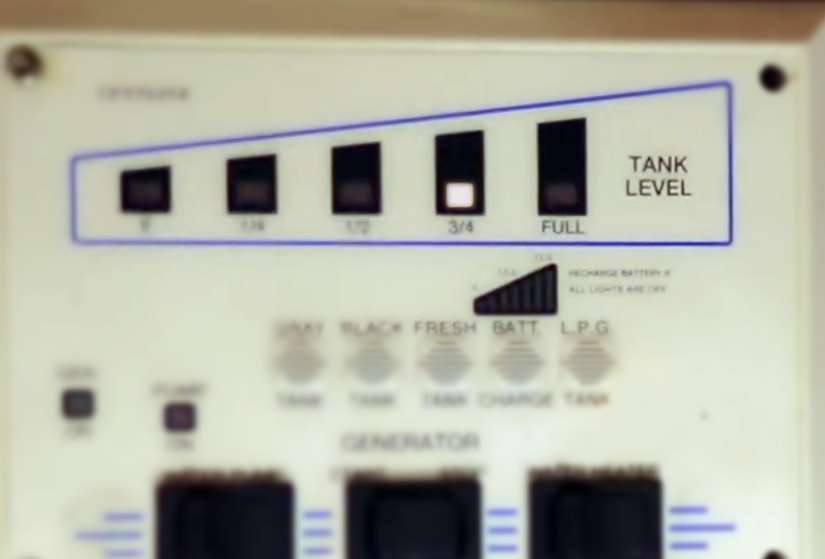
Why do my sensors read wrong even after dumping?
Residue and paper fibers can coat sensor probes, creating false readings. A deep cleaning usually resolves this.
Should I leave my black tank valve open at a full hookup site?
No. Leaving the valve open allows liquids to drain away while solids remain and stack, which can create clogs and “pyramid plugs.”
Final Thoughts
The best RV tank care routine isn’t complicated. It’s consistent.
Use enough water. Dump when fuller. Treat immediately after dumping. Adjust your approach based on heat and trip length. Do that, and you’ll spend a lot less time troubleshooting odors, sensors, and clogs — and a lot more time enjoying the trip.