
RV
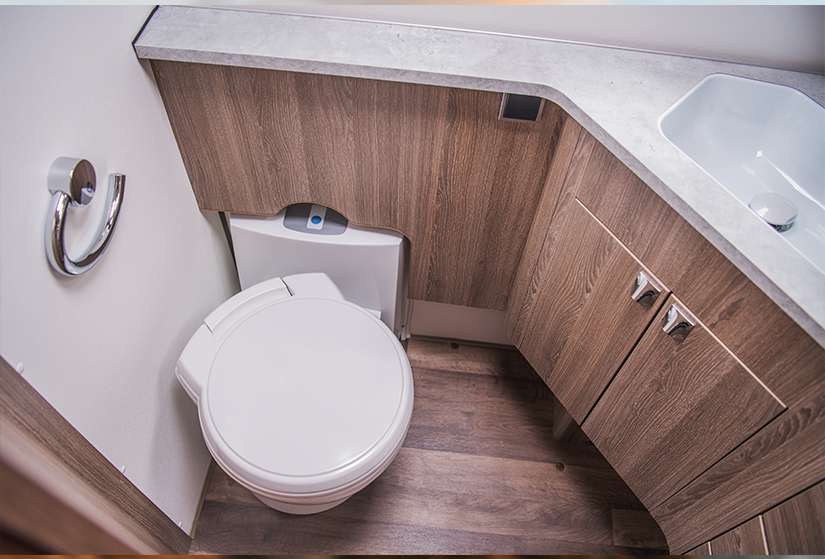
Are holding tank treatments safe for septic tanks?
Are RV Holding Tank Treatments Safe for Septic Systems?
Quick Answer: Some RV holding tank treatments are septic-safe, while others can harm your septic system. If you dump your RV black tank into a home septic system, you should use an enzyme-based, biocide-free treatment that supports healthy bacteria instead of killing it.
Why Does Septic Compatibility Matter?
Septic systems rely on naturally occurring bacteria to break down and digest waste. These beneficial bacteria are essential for proper system function. If you introduce harsh chemicals that kill bacteria, your septic system may struggle to process waste efficiently, potentially leading to backups, odors, or long-term damage.
Do Some RV Tank Treatments Harm Septic Systems?
Yes. Certain sanitation products control odor by suppressing or killing bacteria inside the holding tank. While this may reduce smells temporarily, it can disrupt the biological balance inside a septic system if you dump treated wastewater at home.
Repeated exposure to bacteria-killing chemicals can weaken septic performance over time.
What Makes an RV Tank Treatment Septic-Safe?
Septic-safe treatments typically use natural enzymes or beneficial biological agents rather than harsh biocides. Enzymes act as catalysts that help break down waste and toilet paper without harming the beneficial bacteria your septic system depends on.
How Does Bio-Pak Support Septic Systems?
Bio-Pak controls odor using natural enzymes that digest waste and paper inside the holding tank. Instead of disrupting bacterial activity, these enzymes are compatible with existing septic microflora and help promote healthy digestion within the system.
The formula is designed to address common malodors caused by sulfides, amines, and ammonia while remaining free of harsh biocides and formaldehyde.
Who Should Use Septic-Safe RV Treatments?
- RV owners who dump into home septic systems
- Campers staying on private property
- Travelers who alternate between dump stations and home disposal
- Anyone concerned about protecting septic health
How to Choose the Right RV Tank Treatment
If you frequently dump into a septic system, look for products labeled:
- Biocide-free
- Formaldehyde-free
- Enzyme-based
- Septic-safe
Choosing the correct formula protects both your RV holding tank and your home wastewater system.
Need Help Deciding? Call 800-338-3155 for guidance on selecting the right holding tank treatment for your dumping setup.

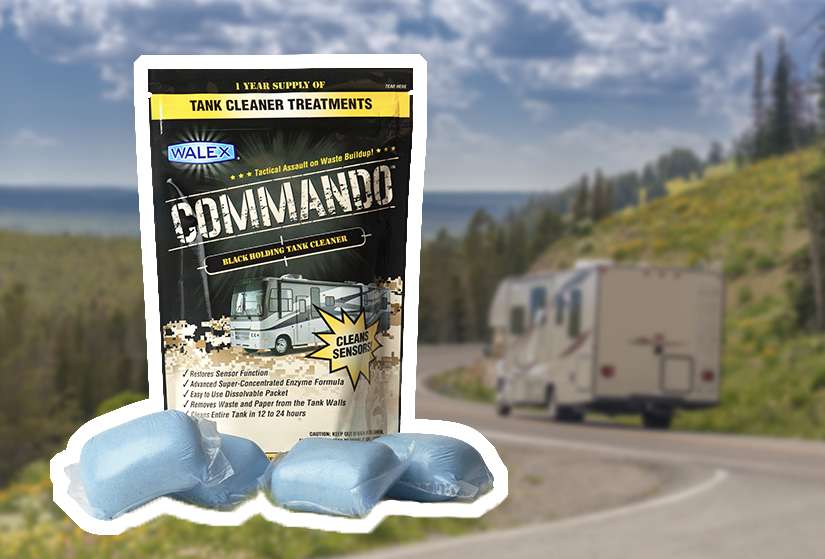
How often should I empty my RV’s black holding tank?
When Should You Empty Your RV Black Tank?
Quick Answer: You should empty your RV black holding tank when it’s about two-thirds full. Dumping too frequently can actually cause more problems because liquids drain out while solids remain behind, leading to buildup, odors, and sensor issues.
Why You Shouldn’t Dump Your RV Tank Too Often
Many RV owners assume frequent dumping keeps tanks cleaner, but the opposite is often true. When you empty too soon or keep your tank constantly connected to a sewer hookup, liquid drains away while solid waste stays inside. Over time, this can create residue stuck to tank walls and sensors, which may cause clogs and inaccurate readings.
What Is the Ideal Tank Level Before Dumping?
The best time to dump your black tank is when it reaches roughly 2/3 full. At this level, there’s enough liquid inside to create strong flow when dumping, which helps carry solids out of the tank instead of leaving them behind.
For two RV users, this usually takes about a week, though tank size and usage habits can affect timing. Always monitor your tank sensors and adjust as needed.
Should You Dump the Grey Tank or Black Tank First?
Always dump the black tank first, followed by the grey tank. Grey water from sinks and showers helps rinse leftover residue from your sewer hose, making cleanup easier and more sanitary.
Signs Your Black Tank Needs Cleaning
- Persistent odors
- Slow drainage
- Sensor readings that seem inaccurate
- Visible buildup inside the tank
- Increased dumping frequency
How Do You Deep Clean an RV Black Tank?
If you notice buildup or odor issues, a deep cleaning treatment can restore tank performance. Enzyme-based packets such as Commando work by breaking down solids and digesting odor-causing waste inside the tank.
Simple Deep-Clean Method
- Drop one packet into the tank.
- Add water to ensure coverage.
- Let it sit for about 12 hours.
- Dump and rinse.
This process helps dissolve residue, clean tank walls, and improve sensor accuracy.
Best Practices for Healthy RV Holding Tanks
- Dump when tank is about 2/3 full
- Use enough water with each flush
- Perform periodic deep cleanings
- Avoid constant sewer hookups
- Use enzyme-based treatments regularly
Pro Tip: Proper dumping timing is one of the easiest ways to prevent clogs, odors, and costly repairs in your RV waste system.

Can I leave Commando in my tank for longer than 24 hours?
How Long Should You Leave Tank Cleaner in an RV Black Tank?
Quick Answer: For best results, leave a black tank cleaning treatment like Commando in your holding tank for at least 12–24 hours. Leaving it longer—48 hours, 72 hours, or even up to a week—will not harm your tank and can improve cleaning for heavy buildup.
What Happens If You Don’t Leave Tank Cleaner in Long Enough?
Enzyme tank cleaners need time to break down waste, paper, and residue stuck to tank walls and sensors. If you dump too soon, the enzymes may not fully dissolve buildup, which can lead to persistent odors, clogs, or inaccurate sensor readings.
Can You Leave Tank Cleaner in Too Long?
No. Leaving an enzyme-based cleaner in your tank longer than the recommended minimum will not damage your holding tank. Extended soaking time often helps treatments penetrate stubborn buildup and improve overall cleaning results.
Why Does Soaking Time Matter?
Pre-measured treatments such as Commando contain concentrated enzymes that activate immediately after entering the tank. As they work, they digest waste and paper while loosening residue stuck to tank surfaces, valves, and sensors. Longer contact time allows the formula to clean more thoroughly.
When Should You Leave Cleaner in Longer Than 24 Hours?
- Tank has heavy buildup
- Sensors are giving false readings
- Tank hasn’t been cleaned in months
- Waste residue is hardened
- You’re preparing for seasonal storage
What If One Treatment Doesn’t Fully Clean the Tank?
If extreme buildup is present, simply repeat the cleaning process. Multiple treatments can gradually remove stubborn residue and restore tank performance without damaging system components.
Best Practices for Using RV Tank Cleaning Treatments
- Always start with an empty tank
- Fill above sensor level for full coverage
- Allow adequate soak time
- Rinse thoroughly after dumping
- Perform routine maintenance cleanings
Pro Tip: Deep-cleaning your tank periodically helps maintain accurate sensors, prevents odors, and keeps valves and seals operating smoothly.
Need Assistance? Call 800-338-3155 for expert product guidance and troubleshooting support.