
tank sensors
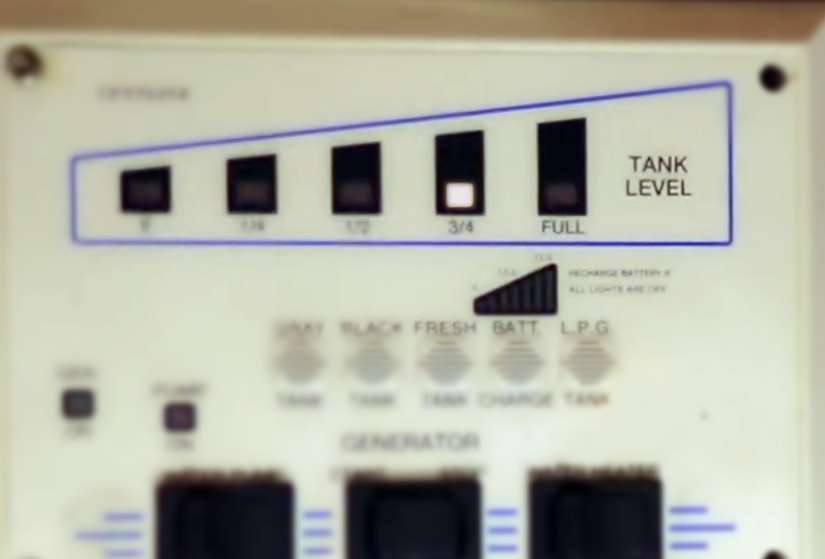
Black tank sensors reading 2/3 full? Here's the solution.
How to Fix RV Black Tank Sensors That Read Incorrectly
Problem: RV black tank sensors often show false readings—usually stuck at 2/3 full—even after dumping.
Quick Answer: Sensor misreadings are typically caused by waste and toilet paper residue stuck to tank walls. Cleaning the tank with an enzyme treatment like Commando can restore accurate readings in as little as 12–24 hours without scrubbing or agitation.
Why Are My RV Black Tank Sensors Showing the Wrong Level?
False readings happen when residue builds up on tank walls and sensor probes. This buildup tricks sensors into detecting liquid levels that aren’t actually there. Even after dumping, debris stuck to the sensors can make them appear partially full.
When sensors are inaccurate, RV owners often dump more frequently than necessary, which can lead to poor waste breakdown and the formation of hardened waste buildup commonly called a “pyramid plug.”
How Do You Clean RV Tank Sensors?
The easiest way to clean black tank sensors is by using a drop-in enzymatic cleaner designed to break down residue inside the tank.
Step-by-Step Sensor Cleaning Method
- Empty the holding tank completely and rinse to remove leftover chemicals.
- Close the dump valve, drop one Commando packet into the toilet, and flush.
- Fill the tank above the highest sensor (or completely full).
- Let it sit for at least 12 hours. For tougher buildup, leaving it longer can improve results.
- Dump and rinse again. Then add deodorizer and refill with about 1.25 gallons of water per 10 gallons of tank capacity.
How Does an Enzyme Tank Cleaner Work?
Enzyme-based treatments release natural digesting agents that break down waste, paper, and residue inside the tank. As buildup dissolves, sensors become exposed again and can read liquid levels accurately.
How Often Should You Clean RV Tank Sensors?
For preventative maintenance, clean your tank every three months. Regular treatment helps keep tank walls clear, lubricates valves and seals, and reduces the chance of clogs or inaccurate readings.
Many RV owners also include a deep tank cleaning as part of their winterizing routine to prevent buildup during storage.
When Should You Use a Tank Cleaning Treatment?
- Sensors always show partially full
- Readings fluctuate randomly
- Tank was stored without cleaning
- Dumping frequency has increased unexpectedly
- You suspect residue or buildup inside the tank
Pro Tip: If your sensors are inaccurate, cleaning the tank is almost always more effective than replacing the sensors themselves.
