Categories

January 07,2021
Bio-Pak: Tough on Odors, Easy on the Planet
Why Eco-Friendly RV Tank Treatments Don’t Sacrifice Performance
Quick Answer: Modern natural enzyme RV tank treatments can deliver powerful odor control, effective waste digestion, and septic compatibility—without harsh biocides or formaldehyde. Today’s eco-friendly formulas are engineered for both performance and environmental responsibility.
Do Eco-Friendly RV Tank Treatments Actually Work?
There’s a common misconception that environmentally responsible products are less effective. In reality, advanced enzyme-based formulas are scientifically engineered to break down waste and control odors efficiently—without relying on aggressive odor-suppression chemistry.
Products like Bio-Pak use natural enzymes to accelerate the digestion of organic waste and toilet paper inside the holding tank. This supports smoother dumping and helps prevent buildup on tank walls and sensors.
How Do Natural Enzyme Tank Treatments Work?
Enzymes are naturally occurring biological catalysts that speed up the breakdown of organic material. In RV holding tanks, enzyme formulas help:
- Digest waste and toilet paper
- Reduce odor at the source
- Prevent pyramid buildup
- Maintain cleaner tank walls
- Support accurate sensor readings
Because the formula promotes digestion instead of suppressing bacterial activity, it helps maintain a healthier tank environment.
Are Enzyme-Based Tank Treatments Septic Safe?
Yes. Enzyme-based treatments are generally compatible with septic systems because they do not rely on biocides that disrupt beneficial bacteria. This makes them a responsible choice for RV owners who occasionally dump into a home septic system.
Do Eco-Friendly RV Treatments Comply with Emerging Regulations?
Some states have begun restricting certain ingredients historically used in holding tank deodorizers. Biodegradable, enzyme-based formulas that are free from formaldehyde and biocides align with these evolving environmental standards.
Choosing a compliant product today helps RV dealers and owners stay ahead of regulatory changes.
What Makes Drop-In Tank Treatments Convenient?
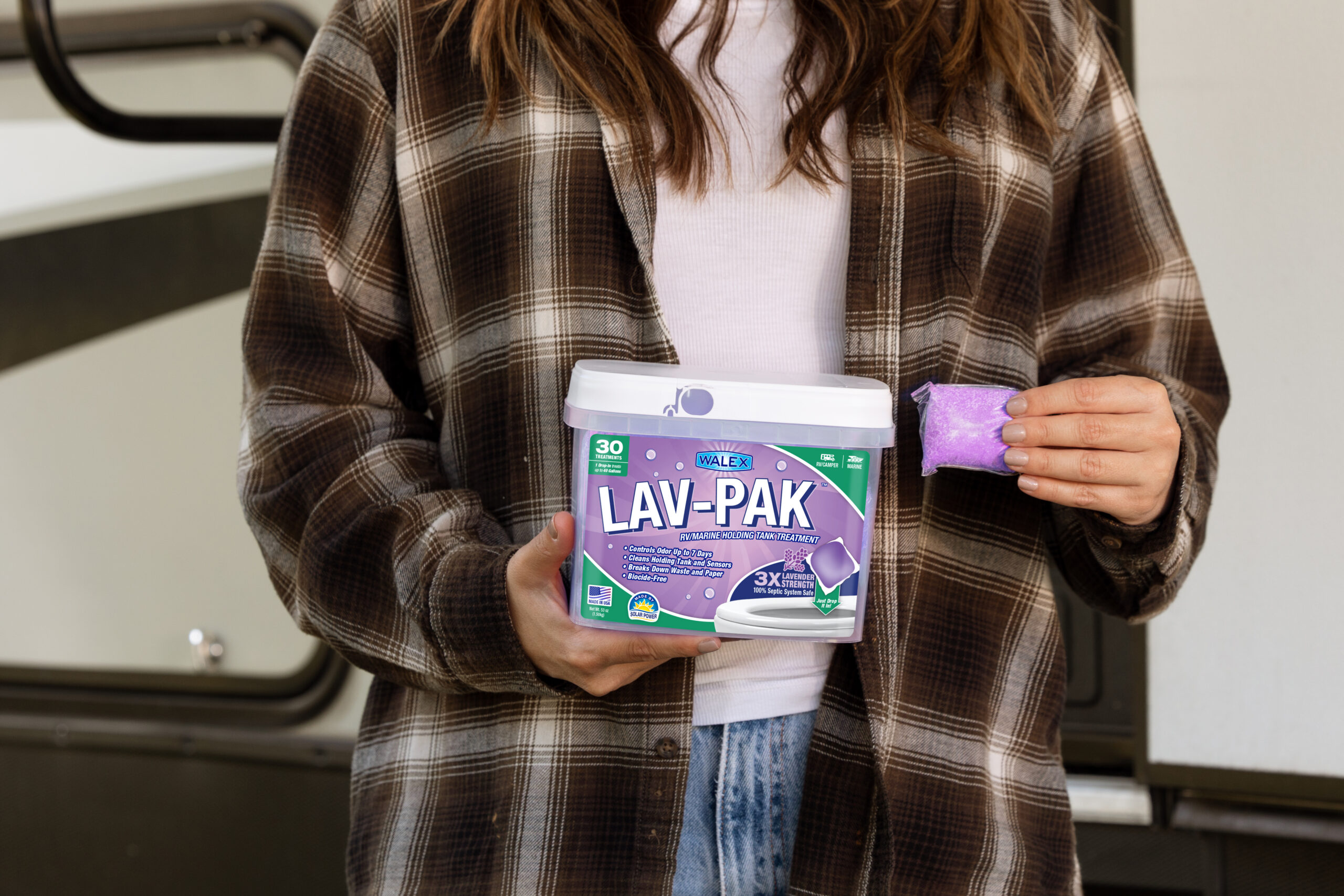
Pre-measured, water-soluble packets eliminate the need to measure liquids. Each packet is portion-controlled to treat a standard holding tank (typically up to 40 gallons), making maintenance simple and mess-free.
Frequently Asked Questions
Can I dump into a septic system if I use an enzyme treatment?
Yes. Enzyme-based treatments are compatible with septic systems because they support bacterial digestion instead of harming it.
Does an enzyme treatment break down toilet paper?
Yes. Enzymes are designed to digest paper as well as organic waste, helping reduce buildup and clogs.
Do I need special RV toilet paper?
No. When using an effective enzyme-based treatment, many RV owners can use standard household toilet paper without issues.
How often should I use an enzyme tank treatment?
Typically, add one packet each time you dump and refill your tank. Most campers service their tanks about once per week, depending on usage.
Can enzyme treatments be used in all climates?
Enzyme formulas perform well in most conditions. In extremely hot climates (90°F+ for extended periods), some RV owners prefer switching to a performance-driven formula designed for maximum odor defense.
Can I use a black tank enzyme treatment in my grey tank?
Black tank treatments are formulated specifically for waste digestion. For grey tank sanitation and grease breakdown, use a product designed for grey water systems.
Bottom Line
Eco-friendly no longer means less effective. Modern natural enzyme tank treatments provide strong odor control, efficient waste digestion, septic compatibility, and regulatory compliance—making them a smart choice for today’s environmentally conscious RV owners and dealers.
Need Help Selecting the Right Formula? Call 800-338-3155 for expert guidance.