
black holding tank
Why Does My RV Still Smell? Common Odor Sources and Solutions
Why Does My RV Still Smell? Common Odor Sources and Solutions
Quick Answer: If odors linger in your RV even after using a black tank deodorizer, the source may be your grey tank, interior air, or hardened black tank buildup. Targeted treatments for each odor source provide complete odor control.
Odor Source #1: Grey Holding Tank
Many RV owners focus only on the black tank, but the grey tank can also produce strong odors. Grey tanks collect water from sinks and showers, which contains:
- Grease and cooking residue
- Soap scum
- Food particles
- Organic sludge
Over time, this buildup can generate unpleasant smells.
Solution: Grey Tank Enzyme Treatment
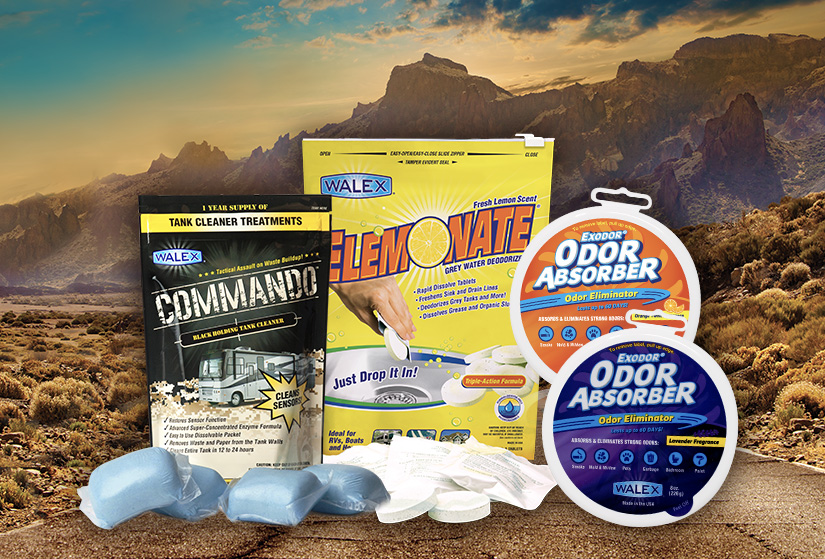
Elemonate is designed specifically for grey holding tanks. The quick-dissolving tablet contains enzymes that break down grease and sludge while releasing a fresh lemon scent.
To use:
- Drop one tablet into the sink drain.
- Run water for several seconds to dissolve.
- Allow enzymes to work inside the tank.
Odor Source #2: Interior Air (Mildew, Trash, Laundry)
RVs are compact spaces, which means odors from garbage, damp towels, or pets can quickly become noticeable.
Solution: Air Odor Neutralizer
Odor Absorber is a charcoal-infused gel that traps and neutralizes airborne odor molecules. Once opened, it works continuously for up to 60 days.
Common placement areas include:
- Under the sink
- Inside trash bins
- Near laundry storage
- In storage compartments
Odor Source #3: Black Tank Buildup (“Pyramid Plug”)
If black tank odors persist even when using deodorizer, hardened waste buildup may be the problem. This often happens when insufficient water is used, allowing solids to accumulate and cake onto tank walls and sensors.
This buildup can:
- Trap residual odor
- Cause false sensor readings
- Restrict proper tank flow
Solution: Deep Black Tank Cleaning
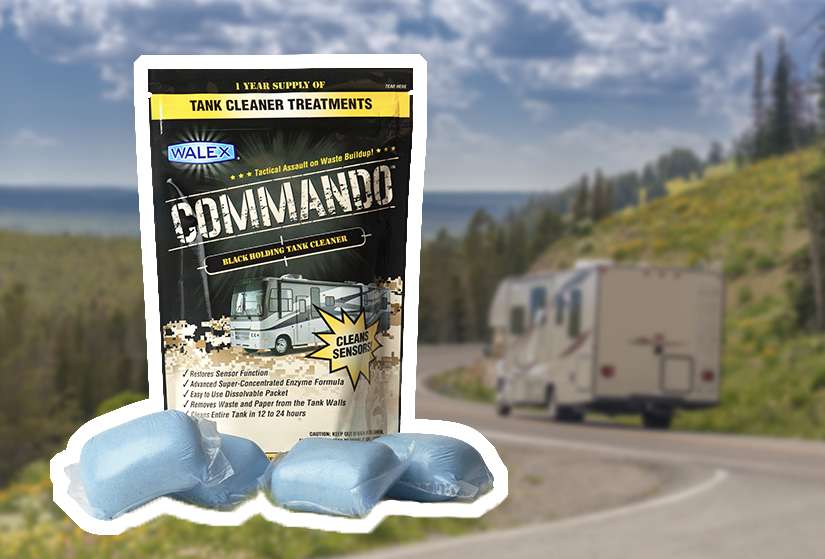
Commando is a concentrated enzyme cleaner designed to break down hardened solids and restore tank performance.
To use:
- Empty and rinse the tank.
- Add one packet and fill the tank with water.
- Let sit for 12–24 hours (longer if needed).
- Dump and rinse again.
The enzyme formula works without scrubbing to clean tank walls and sensors.
Complete RV Odor Control Strategy
- Treat black tank regularly
- Maintain grey tank with enzyme tablets
- Use adequate water after dumping
- Neutralize interior air odors
- Deep clean periodically
Bottom Line
If your RV still smells, the issue may not be your black tank deodorizer—it may be another overlooked odor source. Targeting each source individually ensures a fresher, more comfortable travel experience.
Need Help? Call 800-338-3155 or visit your local RV dealer for product guidance.

How do I get rid of the black tank pyramid?
A black tank pyramid refers to the buildup of waste and paper in your RV's black holding tank, and it can put a significant damper on your RV travels. Waste buildup fills your RV with foul odors and is a pain to remove—without the right products. Here's how you can prevent a pyramid from forming or eliminate one if it does.
Don't leave your black tank valve open when you're hooked up at a site.
If you allow your tank to drain gradually, the liquids will pass through while the solids build up in a solid pyramid. To thoroughly dump the contents of your tank, you need the assistance of gravity. Keep the valve closed until the tank is 2/3 full, and then dump it.
Use an enzyme-based deodorizer.
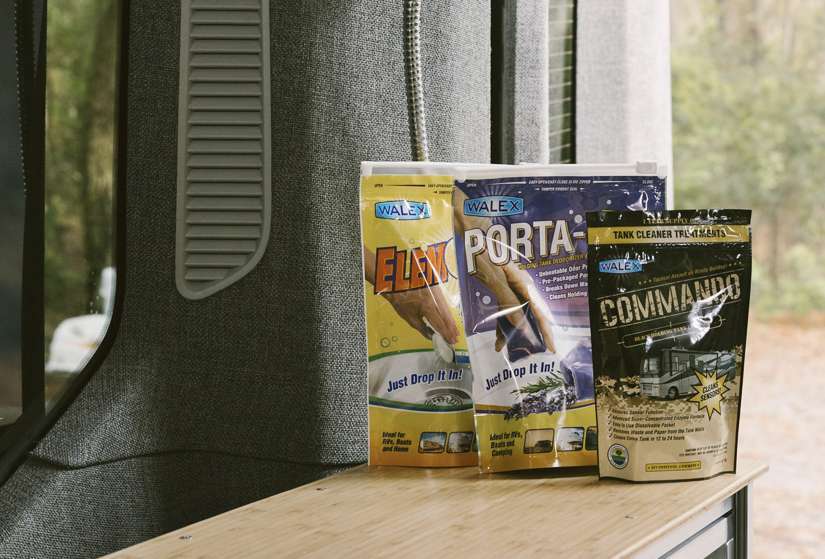
Enzymes digest waste and paper, so using a deodorizer with powerful enzymes will keep the contents of your black tank from solidifying. Walex's Bio-Pak is an enzyme-based formula contained in a rapid-dissolving water-soluble packet. When flushed down into the tank, the enzymes go to work immediately, breaking down buildup and deodorizing in the process.
Use an enzyme-based black tank cleaner.
If you suspect a waste pyramid has formed in your black holding tank, you need to use Commando. Commando's innovative formula is packed with enough enzymes to restore your black holding tank to good-as-new, no scrubbing or agitation required. Not only will it liquefy the waste and paper, but it will clean tank walls and sensors, restoring the accuracy of your sensors. Here's how to use it:
- Empty your tank, rinse out any chemical residue, close your dump valve, drop one Commando packet into the toilet, and flush
- Then fill your holding above your highest sensor or completely full.
- Leave it in for a minimum of 12 hours. Commando is formulated to work in as little as 12 to 24 hours for those in a hurry, but it will not hurt your tank to leave it in longer, several days, for more stubborn holding tank issues or clogs.
- Empty your tank. Rinse again. You can now add your deodorizer, refill with 1.25 gallons of water for every 10 gallons of holding tank capacity and continue using the toilet.
You can use Commando to destroy existing buildup or preventatively every three months to control buildup from forming.
Happy adventuring!

Commando now available in recyclable packaging
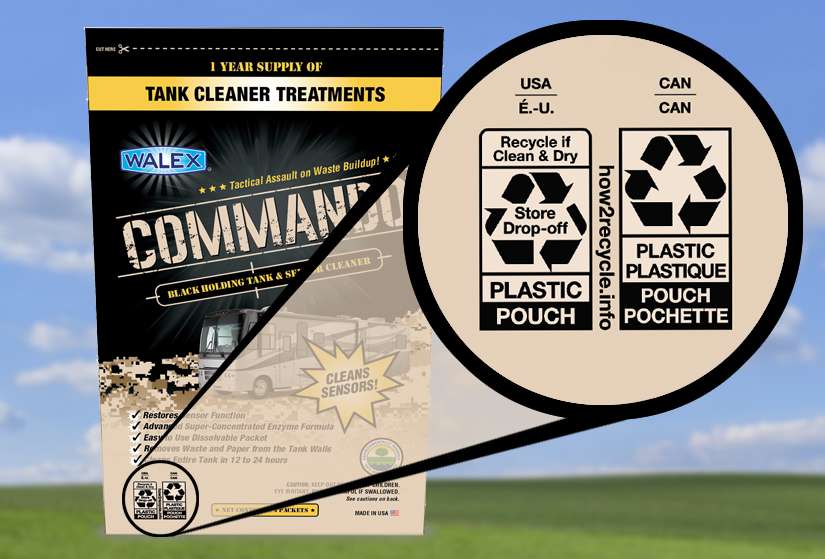
After debuting recyclable packaging for Bio-Active Septic Tank Treatment in 2021, Walex is now packaging its black holding tank cleaner, Commando, in the same eco-friendly material.
Walex plans to transition several more of its RV/Marine product line to recyclable material in the coming years. The effort is part of an eco-friendly initiative extending to the product formulas; all of Walex's RV/Marine products comply with the country's most stringent environmental standards.
Recycle your Commando bag in a plastic bag recycling bin located at many retail stores, including Lidl, Target, Walmart, and Wegmans. To recycle, ensure the package is clean and dry before placing it in the bin.
The new recyclable bags are stamped with a seal from How2Recycle, an organization that aims to clarify the recycling process by standardizing instructions and labels. According to How2Recycle.info, the bag material can be made into synthetic lumber for decking, park benches, or recycled directly into another bag.
How Often Should You Add Deodorizer to Your RV Black Tank?
How Often Should You Add Deodorizer to Your RV Black Tank?
Quick Answer: Most RV owners should add one drop-in deodorizer packet every time they dump their tank—typically every 5–7 days for two people in moderate weather. Always add treatment immediately after emptying and refilling the tank.
How Long Does One Bag of RV Deodorizer Last?
Usage depends on how many people are using the RV and how frequently the tank is dumped. As a general guideline:
- Two people in moderate temperatures: 1 packet every 5–7 days
- Higher usage or warmer climates: possibly more frequent treatment
- Lower usage: slightly longer intervals
If a bag contains 10 packets, it typically lasts about 5–10 weeks depending on usage.
When Is the Best Time to Add RV Tank Deodorizer?
The ideal time to add a new packet is immediately after dumping your black tank. Waiting until the tank reaches about 2/3 full before dumping ensures strong flow, which helps remove solids more effectively.
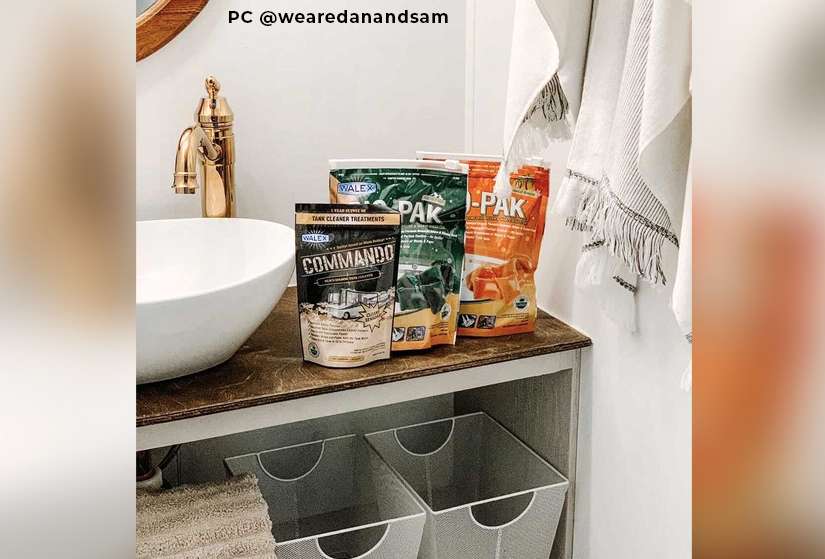
For enzyme-based treatments like Bio-Pak, allowing the tank to reach 2/3 full gives enzymes more time to liquefy waste and paper for easier dumping.
How Much Water Should You Add After Dumping?
Water is critical for odor control and proper digestion.
Recommended starting point:
- 1.25 gallons of water per 10 gallons of tank capacity
For a 40-gallon tank, that equals about 5 gallons of water before use.
Proper water levels allow waste and paper to sink below the waterline, where treatment works most effectively. Insufficient water can lead to hardened buildup (often called a pyramid plug) and persistent odors.
Why Sensor Accuracy Affects Odor Control
Knowing when your tank is 2/3 full depends on functioning sensors. If your sensors give false readings, you may dump too early or too late, which can affect odor control and tank health.
If sensors become inaccurate, use a deep-clean treatment like Commando to remove residue from tank walls and sensor probes.
How to Restore Sensor Function
- Empty the tank.
- Add one Commando packet.
- Fill the tank above sensor level.
- Let sit for 12–24 hours (longer if needed).
- Dump and rinse.
This process helps liquefy residual buildup, lubricate valves, and restore accurate readings.
Best Practices for Odor-Free RV Travel
- Dump at 2/3 full
- Add deodorizer immediately after dumping
- Use adequate water
- Monitor sensors regularly
- Perform periodic deep cleanings
Bottom Line: Consistent treatment, proper water levels, and accurate sensors are the keys to keeping your RV toilet odor-free.
Happy Adventuring!
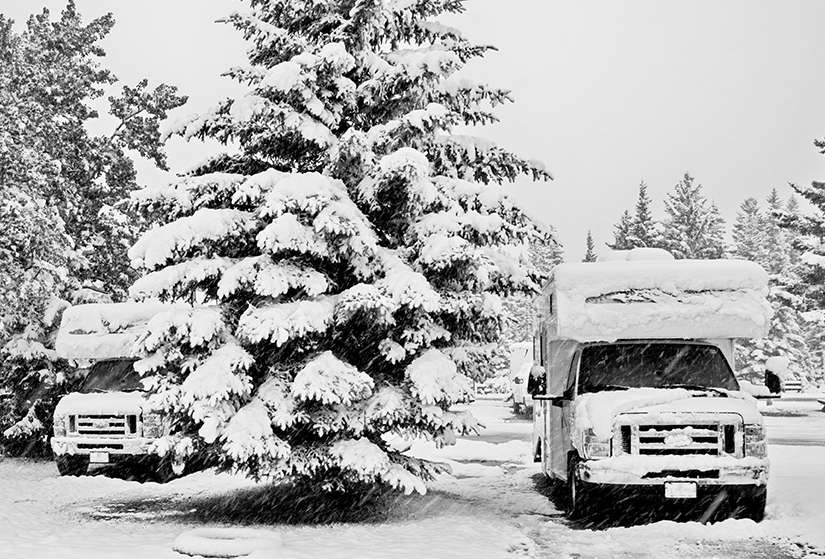
Will my RV holding tanks freeze?
How to prevent your RV holding tank and pipes from freezing
If you're spending the night in a cold climate—where the temperature will drop below 32 degrees—you might worry that your RV tanks and pipes will freeze. If you take a few precautions and understand the capabilities of your RV, you should be fine. Keep reading for helpful tips.
Keep your lines and valves warm.
The parts of your RV plumbing that are most vulnerable to freezing are the lines and valves rather than the holding tanks. In frigid temperatures, these can freeze and crack, causing costly repairs. In some RVs, the pipes are more exposed, while in other RVs, the propane furnace pumps heat around the tanks.
Drain the tanks and pipes and add RV antifreeze.
If the temperature drops down into the teens, you'll want to add RV antifreeze to the pipes to keep them from freezing and cracking. First, drain the tanks and lines to ensure nothing interferes with the action of the antifreeze. Then, dump a gallon of RV antifreeze down the sink and toilet drains.
RV antifreeze is very different from automotive antifreeze; the active ingredient is propylene glycol, which raises the freezing point of water. Propylene glycol is non-toxic. When temperatures rise, and you resume use of your holding tanks, you can also continue using holding tank deodorizers such as Bio-Pak or Porta-Pak.
Should I Get a Performance-Driven or a Natural Enzyme RV Tank Treatment?
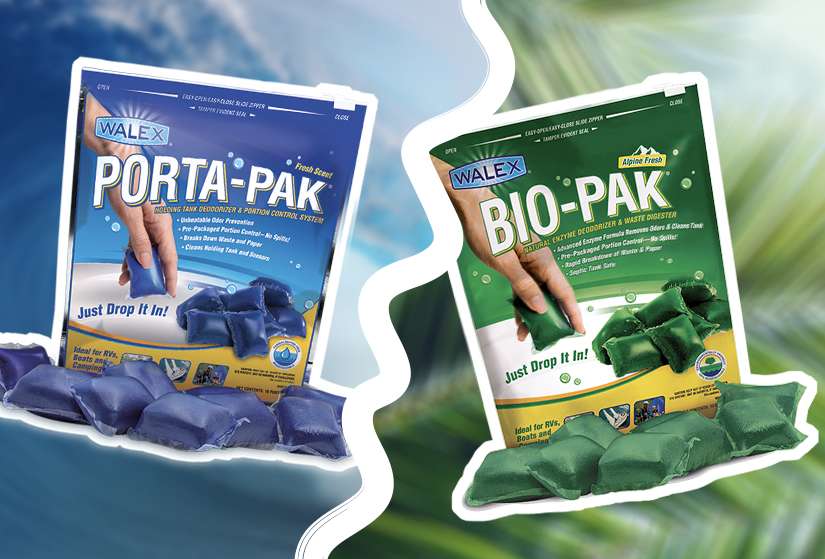
Performance-Driven vs. Natural Enzyme RV Tank Treatments: Which Is Right for You?
Quick Answer: A performance-driven formula like Porta-Pak typically delivers powerful odor suppression in extreme heat and high-demand conditions, while a natural enzyme formula like Bio-Pak excels at digesting waste and toilet paper to prevent clogs, buildup, and septic disruption. The best choice depends on your climate, dumping method, and maintenance priorities.
What Is a Performance-Driven RV Tank Treatment?
A performance-driven holding tank formula is engineered for maximum odor defense. These treatments focus on stopping odor at its source and delivering strong, reliable results—especially in hot weather when odors intensify quickly.
They are often preferred in:
- High-temperature climates
- Heavy-use situations
- Extended camping trips
- Applications where rapid odor control is the top priority
Because heat accelerates odor production, a performance-driven formula can provide consistent protection in demanding environments.
What Is a Natural Enzyme RV Tank Treatment?
A natural enzyme formula works differently. Instead of simply suppressing odor, the specific enzymes target odor molecules, paper and waste. Enzymes act as catalysts that digest solids and odor molecules, helping maintain a cleaner, odor-free tank environment.
This approach helps:
- Liquefy toilet paper
- Prevent pyramid buildup
- Reduce clogs
- Keep tank walls and sensors cleaner
- Support septic system compatibility
Which Formula Is Better for Preventing Clogs?
If your primary concern is preventing paper buildup, hardened waste, or inaccurate sensor readings, a natural enzyme formula typically provides better long-term digestion and tank cleanliness.
Which Formula Performs Better in Hot Weather?
In very hot climates, a performance-driven formula may deliver stronger immediate odor suppression. Higher temperatures can intensify odors quickly, making advanced odor-control technology especially beneficial.
How Do You Choose the Right RV Tank Treatment?
Consider the following factors:
- Your typical camping climate
- How frequently you dump
- Whether you dump into a septic system
- Your history of clogs or sensor issues
- Campground or state disposal regulations
Many RV owners use a natural enzyme formula for routine weekly maintenance and incorporate a stronger cleaning treatment periodically to deep clean the tank.
Bottom Line
If you camp in extreme heat and want maximum odor defense, a performance-driven formula may be the better fit. If your focus is digestion, clog prevention, and septic compatibility, a natural enzyme formula is often the smarter long-term solution.
Need Help Deciding? Call 800-338-3155 for expert guidance on selecting the right holding tank treatment for your RV lifestyle.

Can I Use a Black Tank Cleaner in my Grey Holding Tank Too?
Can You Use a Black Tank Cleaner in an RV Grey Tank?
Quick Answer: Some RV owners use black tank cleaners in their grey tanks to help clean sensors, but these products are not specifically formulated for grey water buildup. For grease, food particles, and organic sludge in grey tanks, a dedicated grey tank treatment is recommended.
Is It Safe to Use Black Tank Cleaner in a Grey Tank?
Black tank cleaners are formulated primarily to break down waste and toilet paper. While they were not specifically designed for grey water systems, some RV owners report success using them to address sensor buildup inside grey tanks.
If used for this purpose, allow the solution to remain in the tank for at least 12–24 hours, or longer if needed, to help break down residue.
How Do You Apply a Black Tank Cleaner to a Grey Tank?
- Dissolve one packet in a plastic cup using room-temperature tap water.
- Stir gently until fully dissolved.
- Pour the solution down a sink drain connected to the grey tank.
- Fill the grey tank to near full capacity for best coverage.
- Allow 12–24 hours of soak time before dumping.
A fuller tank allows the treatment to contact sensors and tank walls more effectively.
What Causes Grey Tank Odors and Buildup?
- Grease from dishwashing
- Food particles
- Soap residue
- Organic sludge
- Buildup on tank walls and sensors
Unlike black tanks, grey tanks accumulate fats, oils, and soaps that require targeted formulas for optimal breakdown.
What Is the Best Treatment for RV Grey Tanks?
For regular grey tank sanitation and odor control, use a product specifically formulated for grey water systems. Elemonate is designed to break down grease, food particles, and organic sludge while freshening the tank.
Using a treatment formulated for grey tanks ensures more effective buildup removal and odor management.
When Should You Deep Clean a Grey Tank?
- Sensors are reading inaccurately
- Persistent odors are present
- Drainage seems slow
- Tank hasn’t been cleaned in months
Need Guidance? Call 800-338-3155 for expert advice on choosing the right treatment for your RV holding tanks.
How often should I empty my RV’s black holding tank?
When Should You Empty Your RV Black Tank?
Quick Answer: You should empty your RV black holding tank when it’s about two-thirds full. Dumping too frequently can actually cause more problems because liquids drain out while solids remain behind, leading to buildup, odors, and sensor issues.
Why You Shouldn’t Dump Your RV Tank Too Often
Many RV owners assume frequent dumping keeps tanks cleaner, but the opposite is often true. When you empty too soon or keep your tank constantly connected to a sewer hookup, liquid drains away while solid waste stays inside. Over time, this can create residue stuck to tank walls and sensors, which may cause clogs and inaccurate readings.
What Is the Ideal Tank Level Before Dumping?
The best time to dump your black tank is when it reaches roughly 2/3 full. At this level, there’s enough liquid inside to create strong flow when dumping, which helps carry solids out of the tank instead of leaving them behind.
For two RV users, this usually takes about a week, though tank size and usage habits can affect timing. Always monitor your tank sensors and adjust as needed.
Should You Dump the Grey Tank or Black Tank First?
Always dump the black tank first, followed by the grey tank. Grey water from sinks and showers helps rinse leftover residue from your sewer hose, making cleanup easier and more sanitary.
Signs Your Black Tank Needs Cleaning
- Persistent odors
- Slow drainage
- Sensor readings that seem inaccurate
- Visible buildup inside the tank
- Increased dumping frequency
How Do You Deep Clean an RV Black Tank?
If you notice buildup or odor issues, a deep cleaning treatment can restore tank performance. Enzyme-based packets such as Commando work by breaking down solids and digesting odor-causing waste inside the tank.
Simple Deep-Clean Method
- Drop one packet into the tank.
- Add water to ensure coverage.
- Let it sit for about 12 hours.
- Dump and rinse.
This process helps dissolve residue, clean tank walls, and improve sensor accuracy.
Best Practices for Healthy RV Holding Tanks
- Dump when tank is about 2/3 full
- Use enough water with each flush
- Perform periodic deep cleanings
- Avoid constant sewer hookups
- Use enzyme-based treatments regularly
Pro Tip: Proper dumping timing is one of the easiest ways to prevent clogs, odors, and costly repairs in your RV waste system.

Can I leave Commando in my tank for longer than 24 hours?
How Long Should You Leave Tank Cleaner in an RV Black Tank?
Quick Answer: For best results, leave a black tank cleaning treatment like Commando in your holding tank for at least 12–24 hours. Leaving it longer—48 hours, 72 hours, or even up to a week—will not harm your tank and can improve cleaning for heavy buildup.
What Happens If You Don’t Leave Tank Cleaner in Long Enough?
Enzyme tank cleaners need time to break down waste, paper, and residue stuck to tank walls and sensors. If you dump too soon, the enzymes may not fully dissolve buildup, which can lead to persistent odors, clogs, or inaccurate sensor readings.
Can You Leave Tank Cleaner in Too Long?
No. Leaving an enzyme-based cleaner in your tank longer than the recommended minimum will not damage your holding tank. Extended soaking time often helps treatments penetrate stubborn buildup and improve overall cleaning results.
Why Does Soaking Time Matter?
Pre-measured treatments such as Commando contain concentrated enzymes that activate immediately after entering the tank. As they work, they digest waste and paper while loosening residue stuck to tank surfaces, valves, and sensors. Longer contact time allows the formula to clean more thoroughly.
When Should You Leave Cleaner in Longer Than 24 Hours?
- Tank has heavy buildup
- Sensors are giving false readings
- Tank hasn’t been cleaned in months
- Waste residue is hardened
- You’re preparing for seasonal storage
What If One Treatment Doesn’t Fully Clean the Tank?
If extreme buildup is present, simply repeat the cleaning process. Multiple treatments can gradually remove stubborn residue and restore tank performance without damaging system components.
Best Practices for Using RV Tank Cleaning Treatments
- Always start with an empty tank
- Fill above sensor level for full coverage
- Allow adequate soak time
- Rinse thoroughly after dumping
- Perform routine maintenance cleanings
Pro Tip: Deep-cleaning your tank periodically helps maintain accurate sensors, prevents odors, and keeps valves and seals operating smoothly.
Need Assistance? Call 800-338-3155 for expert product guidance and troubleshooting support.