

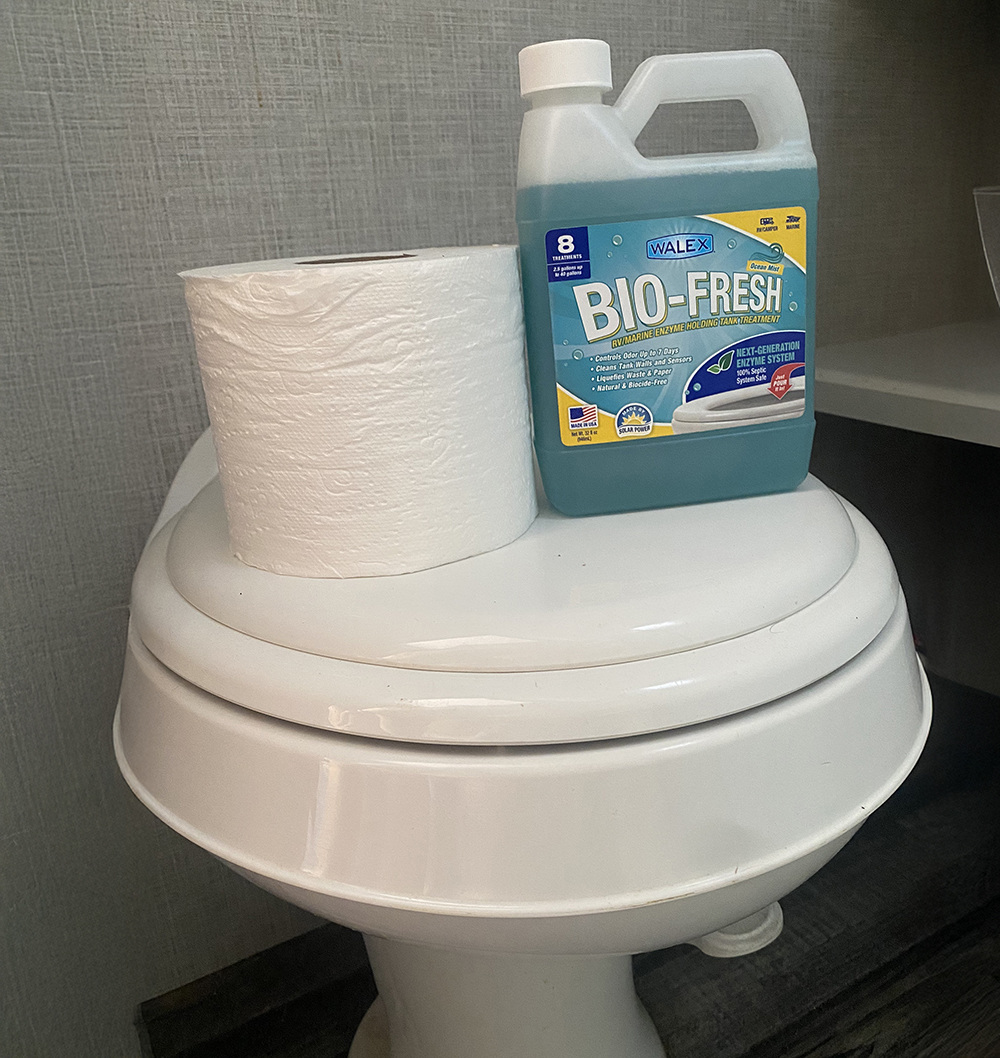
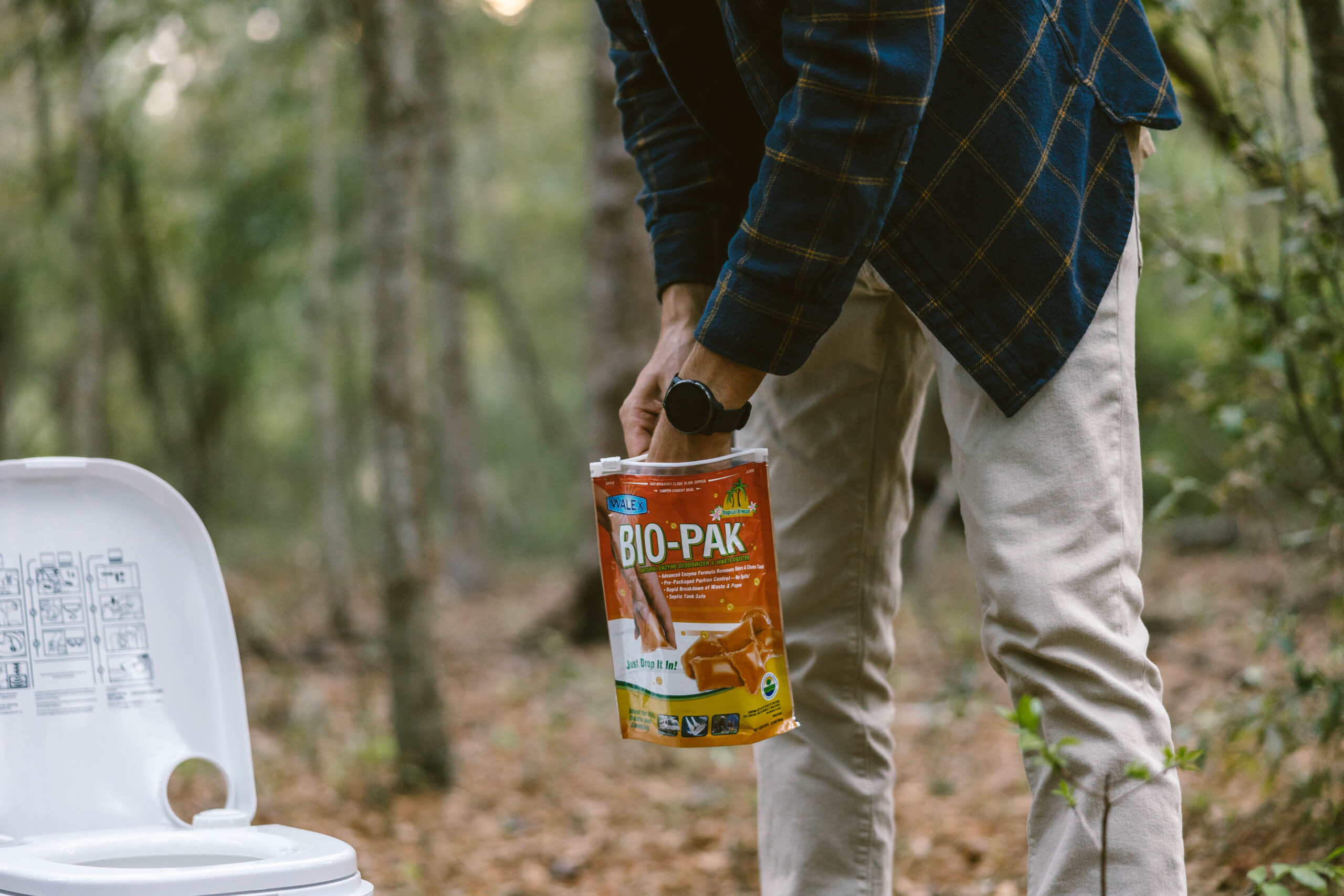
Complete RV Holding Tank Maintenance Guide

The Complete RV Holding Tank Maintenance Guide

Want fewer odors, fewer sensor problems, and fewer clogs? RV holding tank care isn’t complicated — but it does require consistency.

Quick answer: The best RV tank maintenance routine is built on three pillars: (1) proper water use, (2) smart dumping habits, and (3) using the right treatment type for your trip style and temperature. Do those three things and most black tank problems disappear.

This guide gives you a simple, repeatable routine for:

  • Daily use best practices
  • Proper dumping procedures
  • What to do after dumping (treating protocol)
  • Water usage rules that prevent buildup
  • Seasonal changes (summer vs winter)
  • Storage and winterizing
  • An annual deep clean plan
  • A printable checklist

Daily Use Best Practices

Most RV tank problems start with daily habits. These small actions prevent big issues.

1) Start With Water in the Tank

After dumping, add water before the next use. This keeps waste submerged and prevents “mounding” under the toilet.

2) Never “Dry Flush”

Using minimal water increases sticking, buildup, and paper clumping. Water is your #1 tool for preventing odor and clogs.

3) If Clogs are an Issue, Use Toilet Paper That Breaks Down Quickly

Some household tissues resist separating in water. Paper that stays intact increases clog and sensor problems.

4) Keep the Toilet Seal Wet

A dry toilet seal can allow odors to enter the RV. Make sure there’s always water in the bowl between uses.


Dumping Procedures

Dumping correctly helps evacuate solids and prevents leftover residue from becoming tomorrow’s problem.

1) Dump When the Tank Is 2/3 Full or More

A fuller tank dumps with more force, carrying solids out more effectively. Dumping too early often leaves material behind.

2) Use a Full, Steady Dump

Open the valve fully and allow it to drain completely before you rinse or flush.

3) Rinse (If Available)

If your setup includes a built-in rinse or flush system, use it to reduce residual buildup. Avoid over-rinsing if you don’t have an easy way to dump the rinse water properly.

4) Close Valve and Add Water Immediately

Do not leave the valve open at a campsite hookup. That can create “poo pyramids” because liquids drain away while solids remain and stack.


Post-Dump Treatment Protocol

Quick answer: Always add water first, then add treatment.

Step 1: Add Water

Start with enough water to keep waste submerged during the next use cycle (many RVers begin with 3–5 gallons).

Step 2: Add Treatment Immediately

Add your black tank treatment right after you add water. This helps the formula distribute evenly and begin working immediately.

Step 3: Match Treatment Type to Your Conditions

  • If odor control is your #1 concern (especially in heat or heavy use): choose an approach designed to prevent or neutralize odor quickly, like Porta-Pak.
  • If paper buildup and sensors are your main problem: use a system that targets paper fibers and helps reduce residue.
  • If you camp longer and want ongoing digestion: bacteria-based systems can help over time, especially when conditions are stable.
  • If you want paper and waste digestion and also odor control: an enzyme and bacteria combo product like Bio-Fresh or Bio-Pak is ideal.

Water Usage Rules

If you want a “rulebook” for black tank success, it’s this: water makes everything work better.

Rule #1: Waste Should Stay Submerged

Exposed waste creates more odor and sticks to surfaces, causing buildup and sensor issues.

Rule #2: Add Water After Every Dump

Starting dry is how pyramid plugs begin.

Rule #3: More Water Helps Evacuation

Dumping is a “carry-out” process. Water is what carries material out of the tank.

Rule #4: Water Helps Treatments Disperse

No matter what treatment you use — enzyme, bacteria, or chemical — it needs water contact to distribute and work effectively.


Seasonal Maintenance (Summer vs Winter)

Summer (Heat + High Odor Potential)

Warm tanks create faster odor generation. In hot weather:

  • Increase water usage
  • Dump before extreme odor buildup becomes unmanageable
  • Use an odor-control approach designed to keep up with heavy use and high temperatures

Winter (Cold + Short Trips)

Cold weather often means shorter trips and faster dumping cycles. In winter:

  • Ensure treatments dissolve and distribute well
  • Use enough water even when trying to conserve
  • Prioritize consistency — short cycles make some biological approaches less predictable

Storage & Winterizing

Before long-term storage, prevent odor and buildup from “baking” inside the tank.

Short-Term Storage (1–3 weeks)

  • Dump and rinse thoroughly
  • Add a small amount of water to keep seals from drying
  • Consider a mild maintenance treatment if odors are common

Long-Term Storage (1 month+)

  • Dump and rinse
  • Ensure the tank is as clean as practical
  • Leave enough water to protect seals and reduce lingering odor
  • Check venting and ensure the toilet bowl seal remains wet

Tip: Odors often come from dry seals, residue, or trapped gases — not just what’s currently in the tank.


Annual Deep Clean

Even with good habits, residue can build up over time. A yearly deep-clean with a concentrated product like Commando keeps sensors and tank walls performing like new.

Annual deep-clean routine:

  1. Dump the tank fully.
  2. Fill with water, at least above the sensors.
  3. Let it work with contact time (agitation, or driving around, helps).
  4. Empty the tank.
  5. Rinse tank to remove all liquefied residue

If your sensors are chronically inaccurate, perform this deep clean sooner.


Printable Checklist

Every Dump

  • Dump when tank is 2/3 full or more
  • Close valve completely after dumping
  • Add 3–5 gallons of water
  • Add treatment immediately

Weekly (or Every Trip for Full-Timers)

  • Confirm toilet seal holds water
  • Monitor sensor accuracy
  • Check for slow flushing or early signs of mounding

Every 3 Months

  • Deep clean with Commando
  • Evaluate toilet paper performance (breakdown speed)

Annually

  • Perform a longer deep clean to remove residue on tank walls and sensors
  • Inspect seals and vent function

Frequently Asked Questions

How often should I treat my RV black tank?

Short answer: After every dump. Add water first, then treatment immediately so the product can distribute properly and work from the beginning of the next use cycle.

Do I need to deep clean my black tank if I use treatment?

Yes, occasionally. Treatments help, but residue can still accumulate over time. An annual deep clean keeps sensors accurate and reduces long-term buildup.

What’s the most important factor in RV tank maintenance?

Water. Sufficient water prevents mounding, improves dumping efficiency, helps treatments disperse, and reduces buildup on sensors.

Why do my sensors read wrong even after dumping?

Residue and paper fibers can coat sensor probes, creating false readings. A deep cleaning usually resolves this.

Should I leave my black tank valve open at a full hookup site?

No. Leaving the valve open allows liquids to drain away while solids remain and stack, which can create clogs and “pyramid plugs.”


Final Thoughts

The best RV tank care routine isn’t complicated. It’s consistent.

Use enough water. Dump when fuller. Treat immediately after dumping. Adjust your approach based on heat and trip length. Do that, and you’ll spend a lot less time troubleshooting odors, sensors, and clogs — and a lot more time enjoying the trip.


How to Prevent & Fix RV Black Tank Clogs

How to Prevent & Fix RV Black Tank Clogs

If your RV toilet won’t flush, drains slowly, or backs up immediately after dumping, you may have a black tank clog — commonly called a poo pyramid.

Quick answer: Most RV black tank clogs are caused by insufficient water, toilet paper buildup, or repeated dumping before the tank is full. The solution involves restoring water balance, breaking down paper residue, and preventing future mounding.

This guide explains:

  • What a poo pyamid is
  • Why toilet paper causes clogs
  • How low water creates mounding
  • How to break up tank buildup safely
  • How to prevent clogs long-term

What Is a Poo Pyramid?

A pyramid forms when waste drops directly beneath the toilet opening and stacks into a mound instead of dispersing in water.

This usually happens when:

  • There isn’t enough water in the tank
  • The tank is dumped too frequently
  • Paper does not break apart quickly

Over time, the mound hardens and blocks flow. When you flush, waste hits the mound and backs up instead of flowing freely into the tank.

This is not a plumbing failure, it’s a water and breakdown issue.


Why Toilet Paper Causes Problems

Toilet paper is primarily made of cellulose fibers. Some premium household brands are engineered for softness and strength — which also means they resist breaking apart quickly in water.

If paper does not separate and disperse:

  • It can accumulate near the toilet drop point
  • It can trap waste solids
  • It can coat tank walls and sensors
  • It can contribute to pyramid formation

Paper that remains intact acts like reinforcement inside the mound, strengthening the clog.

Proper breakdown is essential to preventing clogs.


How Low Water Creates Mounding

Low water is the #1 cause of RV black tank clogs.

When waste enters a tank with insufficient water:

  • It does not disperse
  • It sticks where it lands
  • Solids pile up beneath the toilet

Water serves four critical purposes:

  • Keeps waste submerged
  • Allows treatments to distribute evenly
  • Reduces sticking to tank walls
  • Improves evacuation when dumping

No treatment works effectively on exposed waste.


Emergency Fix: How to Break Up a Pyramid

Quick answer: Add water, use a paper-targeting treatment, allow contact time, agitate if possible, then dump when the tank is mostly full.

Step 1: Stop Using the Toilet

Continuing to flush adds pressure to the clog and worsens the mound.

Step 2: Add Water to the Tank

Fill the tank at least halfway. The goal is to re-submerge the mound and soften it.

Step 3: Add a Paper-Digesting Treatment

Use a product, like Commando or Bio-Fresh, designed to break down the ingredients in paper. Targeted enzymes can help weaken the structure of the mound.

Step 4: Allow Time to Work

Let the tank sit. If possible, drive the RV to create agitation that helps loosen buildup.

Step 5: Dump When Tank Is 2/3 to Full

A fuller tank provides stronger flow and evacuation force.

In severe cases, a mechanical tank cleaning service may be required — but most clogs resolve with proper water and breakdown.


Preventative Maintenance Plan

Preventing clogs is far easier than fixing them.

1. Always Add Water After Dumping

Start with 3–5 gallons of water in the tank before first use.

2. Use Adequate Flush Water

Do not “dry flush.” Generous water use prevents stacking.

3. Dump Only When Tank Is Mostly Full

Dumping too early leaves solids behind.

4. Use Targeted Paper Breakdown

Paper-targeting treatments help prevent paper reinforcement of clogs.

5. Perform Periodic Deep Cleaning

If you’ve had buildup before, occasional cleaning cycles reduce future risk.


Product Support for Preventing Clogs

Different treatment types support different goals:

  • Paper-targeting enzyme systems like Bio-Pak: Help break down toilet paper fibers before they accumulate.
  • Bacteria-based systems: Support longer-term waste digestion when given sufficient time.
  • Odor-suppression systems: Control odor but do not actively break down paper buildup.

If your primary concern is preventing clogs and sensor problems, targeted paper breakdown should be part of your routine.


Frequently Asked Questions

What is a poo pyramid?

A poo pyramid is a mound of waste and toilet paper that forms directly under the toilet opening due to insufficient water, eventually blocking flow.

How do I know if my RV black tank is clogged?

Signs include immediate toilet backup, slow draining, or inability to flush even after dumping.

Can driving help break up a clog?

Yes. Agitation from movement can help loosen softened buildup during a treatment cycle.

Does RV toilet paper prevent clogs?

Paper that breaks apart quickly in water reduces clog risk. Adequate water usage is equally important.

Is more chemical better for breaking clogs?

Not necessarily. Water volume, proper dosing, and contact time matter more than simply adding more product.


Final Thoughts

RV black tank clogs are rarely caused by defective equipment. They’re almost always caused by insufficient water, paper buildup, or dumping habits.

When you:

  • Use enough water
  • Allow the tank to fill before dumping
  • Use targeted paper breakdown support

You dramatically reduce the risk of pyramid plugs and chronic clogs.

The solution isn’t stronger fragrance, it’s smarter tank management.


Lav Pak Black Holding Tank Deodorizer

How RV Tank Treatments Actually Work

How RV Tank Treatments Actually Work

RV tank treatments can feel like a mystery: one product promises “digestion,” another claims “odor elimination,” and DIY methods like the Geo Method get recommended everywhere. So what’s actually happening inside your black tank, and which type of treatment works best for your situation?

Quick answer: RV tank treatments generally work in three ways: (1) enzymes that act on specific molecules, (2) bacteria that digest waste over time, and (3) chemical systems that neutralize odors or suppress odor generation. The right choice depends on your tank conditions, temperature, trip length, and what problem you’re trying to solve (odor, paper, buildup, or all of the above).

This guide breaks down the science in plain language so you can choose a treatment confidently.


What Happens Inside a Black Tank?

Your RV black tank is essentially a low-oxygen holding environment that collects:

  • Water
  • Human waste (including undigested fiber and bacteria from your digestive system)
  • Toilet paper (cellulose fibers)
  • Residual material that can cling to tank walls and sensors

Once waste sits in the tank, microbes begin breaking it down. In low-oxygen areas (which are common in a black tank), anaerobic bacteria can produce sulfur-containing gases — especially hydrogen sulfide — which is the “rotten egg” odor most RVers notice.

Temperature matters a lot. Warm conditions generally increase bacterial activity and odor potential. That’s why a tank that’s manageable in spring can become unbearable in peak summer heat if the treatment type isn’t suited for those conditions.


Enzymes Explained

Enzymes are specialized tools. Each enzyme is designed to act immediately on specific molecules.

In RV tank care, the most relevant enzyme category is one that targets the primary components of toilet paper. A targeted enzyme can help break down paper fibers that:

  • Contribute to clogs and “pyramid plugs”
  • Stick to tank walls and sensors
  • Create buildup that traps odors

Enzymes can also be used for odor control when designed to oxidize or react with certain odor-causing molecules. The key advantage of enzymes is that they work immediately and don’t need time to “grow.”

Enzyme limitations: enzymes can have a capacity limit. If odor generation is extremely high (heavy use + high heat), an enzyme-based odor system may be overwhelmed unless paired with the right approach for those conditions.


Bacteria Explained

Bacteria are the long-game solution. They digest waste over time and can help liquefy solids as they grow. Bacteria perform thousands of biological reactions at once, but each individual task is slower compared to a targeted enzyme.

Why bacteria-based RV treatments can feel inconsistent:

  • They need time to reproduce. If you dump every couple days, the bacteria may never reach a strong population.
  • They don’t focus on odor. Odor compounds can be a small part of what bacteria do while they’re busy consuming many different nutrients.
  • Oxygen matters. Adding oxygen-dependent bacteria to oxygen-starved zones doesn’t automatically “replace” anaerobic bacteria. Those environments are different.

When bacteria shine: longer stays, more stable tank conditions, and situations where ongoing digestion is the priority.


Chemical Deodorizers Explained

“Chemical” doesn’t automatically mean harsh, it simply means the treatment uses a non-biological mechanism to control odors.

Chemical approaches generally work in two ways:

1) Odor Neutralization (Reaction or Entrapment)

Some formulas contain ingredients that chemically react with odor molecules to render them less noticeable. Others “trap” or bind odor compounds so they don’t volatilize into the air.

2) Odor Prevention (Suppressing Odor Generation)

In hot weather or heavy use, the fastest way to stop odor is to stop odor generation. Some systems do this by suppressing bacterial growth. If bacteria aren’t actively digesting waste, they aren’t producing odor gases at the same rate.

Why this matters: in extremely hotconditions, odor can outpace “neutralization capacity.” Preventing generation can be the most reliable strategy when odor is the #1 concern.


Which Treatment Type Is Best?

The best RV tank treatment type depends on what problem you’re solving:

  • Paper buildup / sensors / clogs: Look for targeted paper breakdown.
  • Extreme odor in heat or heavy use: Consider approaches that stop odor generation quickly, like Porta-Pak.
  • Ongoing digestion for longer stays: Bacteria systems can be effective when given time and stable conditions.
  • A balanced approach: Some formulations, like Bio-Fresh and Bio-Pak, pair mechanisms to cover both immediate performance and longer-term digestion.

Best practice: no matter what you use, water management is critical. No treatment works well on exposed waste.


Myths About RV Tank Additives

Myth: “Enzymes don’t help odor.”

Some enzyme systems are designed specifically to oxidize or react with odor compounds. Enzymes are highly specific, so it depends on which enzymes are present and what they’re designed to do.

Myth: “If I add enough aerobic bacteria, they’ll replace anaerobic bacteria.”

Not necessarily. Aerobic and anaerobic bacteria thrive in different environments. Adding oxygen-breathing bacteria to oxygen-starved areas doesn’t automatically change those conditions.

Myth: “Methane is what smells.”

Methane is odorless. The “rotten egg” smell is typically linked to sulfur compounds like hydrogen sulfide.

Myth: “More product always works better.”

Correct dosing matters, but water level, temperature, and dumping habits often matter just as much as the treatment itself.


The Truth About the Geo Method

The Geo Method is often described as a mix of water softener, laundry detergent, lots of water, and sometimes bleach.

Here’s what that typically means in practical terms:

  • Water softener: primarily salt-based, aimed at reducing mineral interactions and helping waste “slide.”
  • Laundry detergent: detergent + fragrance; may help reduce sticking and add a strong scent.
  • Plenty of water: the most effective part of the method, because submerged waste behaves better and evacuates more cleanly.
  • Bleach (optional): reacts with everything, including waste, meaning it can be quickly depleted in a dirty tank.

Bottom line: the Geo Method’s biggest “secret” is water. Water prevents exposed waste, reduces sticking, and improves dumping efficiency. Detergents can help with slickness and scent, but they don’t selectively neutralize odor chemistry the way targeted systems can.


Environmental Considerations

Many RVers ask: Are RV chemicals safe? The most useful way to think about this is to evaluate:

  • What is the mechanism? Neutralizing odors vs suppressing growth vs supporting digestion.
  • Where does the waste go? Septic systems, dump stations, or treatment facilities all have different realities.
  • How often do you dump? Short-cycle dumping can make some biological approaches less effective.

Biological options (enzymes and bacteria) are often positioned as “natural,” and they can be. But “natural” does not always equal “fast.” In contrast, chemical systems can provide immediate odor control, especially in extreme conditions. Choosing the right system is about performance needs, trip style, and comfort expectations.


Frequently Asked Questions

Enzyme vs bacteria RV treatment: which works better?

Short answer: enzymes work immediately on specific targets (like paper), while bacteria digest waste over time. If you dump frequently, enzymes can deliver more consistent short-term performance. If you camp longer and want ongoing digestion, bacteria can help, especially when conditions are stable.

How do RV tank treatments work?

They work by breaking down paper (enzymes), digesting waste (bacteria), neutralizing odor molecules (reactive systems), or suppressing odor generation (growth suppression). Some formulas combine approaches.

Are RV chemicals safe for my tank?

Most RV-specific treatments are designed for holding tanks when used as directed. The key is using products formulated for RV sanitation and avoiding random household chemicals that may be indiscriminate or quickly depleted in a waste-filled environment.

Do bacteria-based products reduce odor right away?

Not always. Bacteria often need time to reproduce, and odor reduction may not be their primary “job.” That’s why immediate odor control can vary depending on trip length, temperature, and waste load.

Does the Geo Method actually work?

It can help mainly because it emphasizes using lots of water and detergent slickness. But it doesn’t reliably address odor chemistry in the same targeted way as dedicated RV tank treatments.


Final Thoughts

RV tank treatments aren’t magic — they’re chemistry and biology. The fastest way to get results is matching the treatment type to your conditions:

  • Heat and heavy use = higher odor generation
  • Short trips = less time for bacteria to ramp up
  • Paper buildup = sensor issues and clogs

When you choose a system that fits your trip style — and pair it with proper water usage — you get a cleaner tank, more accurate sensors, fewer clogs, and a noticeably better RV experience.


Complete Guide to RV Tank Sensors

Complete Guide to RV Tank Sensors

If your RV tank sensors always read 2/3 full, won’t reset after dumping, or give random readings, you’re not alone. Faulty tank sensors are one of the most common frustrations RVers experience.

The good news? Most sensor problems are not electrical failures. They’re buildup problems, and they’re preventable.

This guide explains:

  • How RV tank sensors work
  • Why they give false readings
  • What “mounding” and residue buildup mean
  • How to clean RV tank sensors properly
  • How to prevent sensor fouling long-term

How RV Tank Sensors Work

Most RV black tank sensors are simple conductivity probes mounted through the tank wall at different height levels — typically 1/3, 2/3, and full.

When liquid touches a probe, it completes a circuit and sends a signal to your monitor panel.

When waste or residue coats a probe, it can falsely complete that circuit — even when the tank is empty.

This is why most sensor issues are caused by buildup, not broken electronics.

Why RV Tank Sensors Give False Readings

1. Residue on Tank Walls

Waste, paper fibers, and organic material can cling to tank walls and sensor probes. When damp residue bridges between probes, the panel reads “full” even when empty.

2. Toilet Paper That Doesn’t Break Down

Some premium household tissues resist water breakdown. If paper doesn’t separate quickly, it can accumulate near sensors and cause chronic 2/3 readings.

3. Not Enough Water

Low water is the number one contributor to sensor fouling. Exposed waste sticks to tank surfaces instead of remaining suspended in water.

4. “Mounding” or Pyramid Formation

If solids collect directly under the toilet due to insufficient water, they form a mound. Over time, this buildup spreads outward and coats tank walls — including sensor probes.

5. Frequent Short Trips

If your tank is dumped before reaching at least 2/3 full, solids may not evacuate completely. Leftover material becomes the foundation for future buildup.

What Is “Mounding” and Residue Buildup?

Mounding occurs when waste drops into the tank without enough water to disperse it. Instead of mixing and breaking apart, it stacks.

Over time, this mound dries along tank walls and around sensors.

This buildup:

  • Causes false readings
  • Contributes to odor
  • Reduces dumping efficiency

The solution is not stronger fragrance. It is proper water management and targeted paper breakdown.

How to Clean RV Tank Sensors (Step-by-Step Guide)

Quick answer: Fill the tank with water, add a cleaning treatment designed to target paper and residue, like Commando, allow contact time, then dump when mostly full.

Step 1: Start With an Empty Tank

Fully dump your black tank.

Step 2: Add Water

Fill the tank at least halfway with water. More water improves contact and cleaning action.

Step 3: Add a Paper-Digesting Treatment

Use a treatment that contains enzymes specifically targeting cellulose (the primary component of toilet paper). Cellulase enzymes break down paper fibers that commonly coat sensors.

Step 4: Allow Time to Work

Let the solution sit. If possible, drive the RV so agitation helps loosen residue.

Step 5: Dump When Tank Is Mostly Full

Empty the tank when it is at least 2/3 full to maximize evacuation force.

In many cases, this process restores accurate readings.

Products That Help Prevent Sensor Issues

Treatments with Targeted Enzymes

Enzymes that digest paper directly target toilet paper buildup — one of the main contributors to sensor problems.

Because enzymes are highly specific, they act immediately on the molecules they are designed to break down.

Bacteria-Based Systems

Bacteria digest waste over time and can assist in liquefaction, but they require time to reproduce. In short-cycle RV use, enzyme assistance often improves performance speed.

Growth-Suppression Systems

Products that suppress bacterial activity focus primarily on odor control. They do not break down paper and are not designed for sensor cleaning.

Choosing the right system depends on whether your priority is odor control, paper breakdown, or both.

How Often Should You Clean RV Tank Sensors?

  • Light weekend use: Every few months
  • Full-time RVers: Monthly check and cleaning as needed
  • After chronic false readings: Immediate cleaning cycle

Prevention is easier than restoration.

Long-Term Maintenance Schedule

  • Add 3–5 gallons of water after every dump
  • Treat immediately after dumping
  • Use sufficient flush water during trips
  • Dump when tank is mostly full
  • Periodically perform a sensor cleaning cycle

Consistent water usage prevents most sensor issues.

Common Myths About RV Tank Sensors

My Sensors Are Broken

In most cases, sensors are functioning correctly but coated in residue.

Stronger Chemicals Fix Sensors Faster

Many harsh chemicals react indiscriminately and are quickly depleted in a waste-filled tank. Targeted paper breakdown and proper water management are more effective.

Bacteria Alone Will Fix Sensors

Bacteria digest waste, but sensor fouling often involves paper fibers that benefit from targeted enzyme action.

Frequently Asked Questions

Why does my RV tank always say 2/3 full?

Most commonly, residue or paper fibers are bridging the 2/3 sensor probe, completing the electrical circuit even when the tank is empty.

How do I reset my RV tank sensors?

There is usually no electronic reset. Cleaning the probes by removing buildup restores proper readings.

Can driving help clean sensors?

Yes. For stubborn issues, agitation from movement can help loosen residue during a cleaning cycle.

Does toilet paper type affect sensors?

Yes. Paper that resists breaking apart in water increases buildup risk. However, products like Commando and Bio-Fresh with targeted enzymes digest all paper types.

Is more treatment better?

Proper dosing is key. Water volume and correct dumping practices are equally important.

Final Thoughts

RV tank sensor problems are rarely electrical failures. They are almost always buildup problems caused by insufficient water, paper accumulation, and incomplete dumping.

When you manage water correctly, use targeted paper-digesting treatments, and follow a consistent maintenance routine, accurate sensor readings become the norm — not the exception.


The Ultimate Guide to RV Black Tank Odor

The Ultimate Guide to RV Black Tank Odor

If your RV black tank smells — even after dumping — you’re not alone. Persistent odor is one of the most common (and frustrating) problems RVers face.

The good news? Black tank odor isn’t random. It has clear scientific causes — and once you understand what’s happening inside your holding tank, you can control it confidently.

This guide explains:

  • Why RV black tanks smell
  • What’s happening inside the tank
  • How different treatment types work
  • How to fix odor fast
  • How to prevent it long-term

What Causes RV Black Tank Odor?

Black tank odor forms when waste breaks down in low-oxygen (anaerobic) conditions. During this process, certain bacteria produce sulfur-containing gases — especially hydrogen sulfide — which smells like rotten eggs.

Methane is also produced during digestion, but methane is odorless. The smell most people notice is not methane — it’s sulfide compounds.

Odor becomes noticeable when:

  • Waste is exposed (not fully submerged in water)
  • The tank sits in high heat
  • There isn’t enough treatment present
  • The tank was not fully emptied
  • Residue is stuck to tank walls
  • Sensors or buildup trap waste

Stop the generation, and you stop the smell.

How Odor Forms Inside a Black Tank

Inside your tank, several processes occur at once:

  1. Anaerobic bacteria break down waste.
  2. As they digest, they release sulfide compounds.
  3. These gases rise and escape through the toilet seal or vent system.
  4. Heat accelerates bacterial growth, increasing odor potential.

The warmer the tank, the faster bacteria reproduce and the more odor can be generated.

The 7 Most Common Causes of Persistent Black Tank Odor

1. Not Enough Water

Low water is the #1 cause of odor problems. When waste is not fully submerged, exposed material produces concentrated odor and allows buildup to stick to tank walls.

Always start with 3–5 gallons of water after dumping.

2. Heavy Use + High Temperatures

Heat increases bacterial activity. If odor generation exceeds your treatment’s neutralization capacity, smells return.

3. Using the Wrong Treatment for Conditions

Not all RV tank treatments work the same way. Some rely on bacterial digestion. Others use enzyme systems. Others suppress bacterial growth entirely.

4. Sensor Buildup & Waste Clinging to Tank Walls

Residue stuck to walls continues producing odor even after dumping.

5. Incorrect Dumping Procedure

If the tank isn’t mostly full when dumping, solids may not evacuate completely.

6. Toilet Paper That Doesn’t Break Down

Some premium household tissues resist breaking down in water and can linger longer than expected.

7. DIY Methods That Don’t Address Root Causes

Laundry detergent, water softeners, and bleach-based methods may add fragrance but do not selectively neutralize odor compounds.

How RV Tank Treatments Actually Control Odor

1. Enzyme-Based Systems

Enzymes are highly specific biological tools. Certain enzymes can break down cellulose (toilet paper) and oxidize sulfide odor molecules.

They work immediately but have a capacity limit.

2. Bacteria-Based Systems

Bacteria digest waste over time and produce enzymes that assist in breakdown.

  • Pros: Address root waste breakdown
  • Cons: Require time to reproduce; odor reduction may be slower

3. Bacterial Growth Suppression (Commercial-Strength Approach)

If bacteria are not actively digesting waste, odor generation stops at the source. This works immediately and is highly effective in extreme heat.

Enzymes vs. Bacteria vs. Chemical: Which Is Better?

It depends on your goal:

  • If your issue is paper buildup → an enzyme-based product that targets paper is best.
  • If your issue is persistent odor in hot climates → the bacterial suppression in a performance-based treatment like Porta-Pak excels.
  • If you want ongoing digestion and reliable odor control → bacteria + enzyme blends like Bio-Fresh and Bio-Pak offer the best of both worlds.

How to Eliminate Black Tank Odor Immediately

  1. Add sufficient water.
  2. Use the correct treatment for your climate.
  3. Ensure toilet seal is holding water.
  4. Check venting for blockages.
  5. Address buildup if suspected with a black tank and sensor cleaner like Commando.

Long-Term Odor Prevention Strategy

  • Add 3–5 gallons of water after dumping.
  • Treat immediately after dumping.
  • Dump when tank is at least 2/3 full.
  • Avoid excessive household cleaners.
  • Adjust treatment strength in high heat.

Common Myths About RV Black Tank Odor

Methane Causes the Smell

Methane is odorless. Sulfur compounds are responsible for odor.

Strong Fragrance Equals Strong Performance

Fragrance improves perception but does not eliminate odor generation.

Bleach Is the Best Solution

Bleach reacts indiscriminately and is quickly depleted in waste-filled tanks.

Why Water Is the Most Overlooked Factor

No treatment works effectively on exposed waste. Water:

  • Keeps waste submerged
  • Reduces wall buildup
  • Improves dumping efficiency
  • Helps treatment disperse evenly

If you remember one thing: Proper water usage prevents most odor problems.

Frequently Asked Questions

Why does my tank smell after I dump it?

Residual material stuck to tank walls may continue generating odor, or not enough water was added after dumping.

Why does odor get worse in summer?

Heat accelerates bacterial growth and increases odor molecule production.

Should I treat every time I dump?

Yes. Add treatment immediately after dumping and refilling with water.

Why does my tank always read 2/3 full?

Residue on sensors can cause false readings.

Final Thoughts

Black tank odor isn’t mysterious. It’s biological and chemical. When you understand how odor forms and how treatments differ, you gain control over the system.

The key isn’t using more product — it’s using the right system for your conditions and pairing it with proper tank management.


Can Toilet Paper Cause RV Black Tank Clogs?

Can Toilet Paper Cause RV Black Tank Clogs?

Quick Answer: Yes. In many cases, black tank clogs and false sensor readings are caused by toilet paper buildup—not just waste. The solution is using an enzyme- and bacteria-based tank treatment that fully breaks down both paper and waste.

Why Does Toilet Paper Cause RV Tank Problems?

When toilet paper doesn’t dissolve properly, it can bind waste together and create clumps inside the tank. Over time, this buildup can:

  • Cause persistent odors
  • Trigger false “2/3 full” sensor readings
  • Lead to slow drainage or clogs
  • Create hardened pyramid buildup

Toilet paper can act like reinforcement inside the tank, trapping solids and preventing complete dumping.

Can You Use Regular Toilet Paper in an RV?

Yes—if you use the right tank treatment. High-quality enzyme and bacteria-based formulas are designed to digest both waste and toilet paper thoroughly, including standard household brands.

Products like Bio-Pak (drop-in packets) and Bio-Fresh (liquid) are formulated to liquefy solids and paper while controlling odors at the source. Unlike other leading brands, these products contain specific enzymes that target and digest paper.

This means you don’t necessarily need specialty RV toilet paper when using an effective biological treatment.

How Do Enzyme and Bacteria Treatments Work?

Enzymes act as natural catalysts that accelerate the breakdown of organic material. Beneficial bacteria continue the digestion process by consuming waste and paper inside the tank.

This biological approach:

  • Liquefies solids
  • Reduces odor-causing compounds
  • Prevents paper clumps
  • Improves dumping efficiency
  • Supports septic compatibility

Because these formulas are biodegradable, they are safe for septic systems and comply with most campground regulations.

Do Enzyme Treatments Help with Sensor Issues?

Yes. Regular use helps prevent residue from coating sensor probes. By keeping tank walls cleaner, enzyme-based treatments reduce the likelihood of false readings and unnecessary early dumps.

What If Your Tank Already Has Buildup?

If clogs or sensor issues persist, a deep-clean treatment such as Commando can help remove hardened waste and restore tank performance.

Bottom Line

If your black tank keeps clogging or smells linger after dumping, toilet paper buildup may be the real cause. Switching to a high-quality enzyme and bacteria treatment can improve digestion, eliminate clumps, and keep your RV waste system running smoothly.


Harnessing the Power of Enzymes: The Science Behind Walex RV Treatments

For RV owners, maintaining a clean and odor-free black tank is one of the most important – and often most challenging – aspects of life on the road. Walex has spent decades developing premium, science-backed solutions that make waste breakdown and odor control simple and effective. Our enzyme-based RV treatments, like Bio-Pak and Bio-Fresh, are designed to deliver powerful performance using the natural power of enzymes and beneficial bacteria.

How Enzymes Work in Your Black Tank

Enzymes are specialized proteins that act as catalysts to speed up natural processes. In your RV’s black tank, they target and break down build-up and toilet paper at a molecular level. When you add an enzyme-based treatment like Bio-Pak or Bio-Fresh, you’re introducing billions of microscopic workers that immediately get to work:

  • Digesting toilet paper – Instead of paper sitting and dissolving slowly, enzymes actively break the fibers apart for faster, more complete digestion.

  • Eliminating odor molecules – Enzymes target and destroy the compounds responsible for bad smells, ensuring a fresher RV interior.

The result is a cleaner, more efficient tank system and a much more pleasant camping experience for you and your family.

The Walex Difference: Science in Action

While some treatments rely on fragrance to mask odors, Walex products are backed by decades of research and testing. Our on-site Research & Development Lab, led by a team of Ph.D. scientists, rigorously tests every formula before it ever reaches your hands. This commitment to quality means that our products don’t just smell nice – they perform under real-world conditions.


Recently, our team conducted a toilet paper digestion test comparing Bio-Fresh to six leading competitor products. The goal was to simulate what happens inside a black tank and measure how effectively each treatment broke down waste and paper over time. The results were clear: Bio-Fresh outperformed every single competitor, completely digesting toilet paper while others left behind clumps and residue. This type of testing ensures that when we say our products work, we have the data to prove it.

Why Choose Enzyme-Based RV Treatments

Switching to an enzyme-based treatment like Bio-Pak or Bio-Fresh offers several benefits for RV owners:

  • Environmentally friendly – Enzymes and bacteria are naturally occurring and safe for septic systems and campground plumbing.

  • Prevents future problems – Regular use keeps tanks clean and prevents costly repairs caused by build-up and clogs.

  • Superior odor control – Instead of just covering up smells, enzymes destroy the source of the odor.

  • Easy to use – With convenient drop-in packets or liquid formulas, treatment takes just seconds.

Trusted by RVers Everywhere

At Walex, we understand the challenges RVers face because we’ve been perfecting these solutions for decades. Our enzyme-based products combine nature’s science with cutting-edge research, giving you confidence every time you hit the road. Whether you choose Bio-Pak packets or Bio-Fresh liquid, you’ll know your black tank is protected by a treatment proven to work – and tested by the best.


Why Does My RV Grey Tank Smell Bad?

If you’ve noticed a persistent rotten egg odor in your RV, chances are the culprit is your grey tank. While many RVers expect issues from their black tank, the grey tank—which collects water from your sinks and showers—is often an overlooked source of unpleasant smells. Understanding the causes of grey tank smells and how to manage them is key to maintaining a fresh and functional RV.

Causes of RV Grey Tank Smells

The most common causes of grey tank odors are built-up grease, soap scum, and organic sludge. These substances accumulate over time and become a breeding ground for odor-causing bacteria. The result? A foul, sulfur smell in RV tanks that’s reminiscent of rotten eggs. This can be especially noticeable after washing dishes or showering.

RV plumbing issues can also exacerbate the problem. Clogged or slow-draining pipes allow standing water to sit longer, giving bacteria more time to thrive. Additionally, if you don’t regularly rinse your grey tank, leftover residue builds up and causes persistent smells.

Grey Water Tank Maintenance Tips

Managing RV grey tank odors doesn’t have to be complicated. The key is consistent maintenance. First, avoid dumping food scraps, coffee grounds, and grease down the drain—these are top offenders for clogs and odor. Second,

dump your grey tank regularly—ideally every 3–4 days during heavy use. After dumping, rinse the tank with fresh water to flush out residue.

The Best Grey Tank Treatment Product: Elemonate

To truly eliminate odors and keep your system clean, you need more than water—you need a powerful treatment like Elemonate from Walex. Elemonate is specifically designed to address the unique challenges of grey tank maintenance.

What makes Elemonate a standout product? Its enzyme-powered formula breaks down grease, food particles, and soap residue—all major contributors to grey tank smells. It’s available in both tablet and liquid form for convenient use. Simply drop a tablet in your sink or pour in the liquid, run water to flush it down, and let the enzymes go to work. The result: cleaner tanks, fresher drain lines, and a pleasant lemon scent throughout your RV.

Elemonate doesn’t just mask odors—it neutralizes them at the source. It’s biodegradable, formaldehyde-free, and safe for all plumbing systems, making it the ideal choice for environmentally-conscious RVers.

Final Thoughts

Managing RV grey tank odors doesn’t have to be a constant battle. With smart grey water tank maintenance and a reliable treatment like Elemonate, you can eliminate the sulfur smell in RV tanks and keep your plumbing fresh and functional. Say goodbye to the rotten egg odor in your RV and hello to stress-free adventures.


Why Does My Black Tank Smell So Bad During the Summer?

Understanding and Preventing RV Black Tank Odor Issues in Hot Weather

If you’ve spent any time RVing in hot weather, you may have encountered a strong and persistent smell coming from your black tank. You're not alone. Summer RV odor issues are incredibly common due to the heat’s impact on waste breakdown and bacterial growth in RV holding tanks. As RV tank temperatures rise, so does the intensity of the odors. The confined space inside an RV only makes it more noticeable. Whether you're camping in the desert or parked at a sunny campsite, understanding the heat effects on RV tanks is essential for a more pleasant experience.

What Causes Black Tank Smells When It's Hot?

Black tank smells during summer are often due to the accelerated decomposition of waste at high temperatures. When heat builds up inside your RV’s waste system, it intensifies odor production and exacerbates RV waste system challenges. Odors are caused by anaerobic bacteria, which thrive in high temperatures. The warm environment acts like an incubator, speeding up bacterial activity and producing noxious gases like ammonia and hydrogen sulfide.

Managing RV Tank Smells: Products and Practices

The best strategy for managing RV tank smells in the heat involves regular maintenance and the right sanitation products. Porta-Pak is the industry's gold standard for combatting summer odors. Walex's team of R&D scientists originally created the Porta-Pak formula to control odors inside portable restrooms and later adapted it for the less-demanding RV environment. Still, it remains in a class of its own when it comes to odor control, with the ability to provide immediate and long-lasting freshness.

Water: A Key Ingredient in Preventing Black Tank Odors in Hot Weather

Preventing black tank odors begins with routine RV holding tank care. Always start with a clean tank—after dumping, add 1.25 gallons of water for every 10 gallons of tank capacity before dropping in a deodorizer. This helps submerge waste and prevent the “poo pyramid” from forming above the waterline. Adding inadequate water is one of the most common causes of black tank odors.

Hot Weather RV Maintenance Tips

In addition to using the best RV black tank treatments and adequate water, hot weather RV maintenance also includes keeping your RV cool and shaded when possible. Store your RV with windows cracked open for ventilation and park with your black tank side away from direct sun exposure. Use vent fans or an odor-neutralizing product inside the RV, like Walex’s Assure, to control smells at their source. Clean your tank regularly with Commando, an enzyme-based black tank cleaner that eliminates lingering odors and restores malfunctioning sensors. These are all essential summer RV sanitation tips to enhance your overall experience.

Stay Ahead of Summer RV Plumbing Problems

With proper knowledge and the right tools, preventing RV tank issues in the summer becomes manageable. From using black tank treatments that excel at odor control to understanding RV holding tank cleaning routines, these odor control in hot climates tips can save your trip. Always travel with proven solutions and make odor control in RVs part of your regular summer RV care checklist. Don’t let black tank smells ruin your adventure—equip yourself with effective, trusted products and enjoy the open road without the stink.


How do bacteria & enzymes work in RV black tank treatments—and which works better?

When it comes to RV plumbing maintenance, few challenges are as persistent—and frustrating—as black tank odors, clogs, and sensor malfunctions.

Fortunately, enzyme-based black tank treatments offer a powerful, eco-friendly RV care solution that tackles these issues at the source. These biological RV tank cleaners use targeted enzyme action in black tanks to break down waste and toilet paper efficiently, helping prevent black tank clogs, eliminate odors, and keep sensors functioning properly.

What enzymes do in your RV's black tank
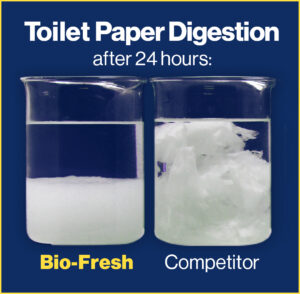
Understanding how enzymes work in RV tanks is key to choosing the right product because not all bacteria/enzyme products are created equal. Walex’s Bio-Pak and Bio-Fresh, for example, contain a specific natural enzyme that targets and liquefies the main components in toilet paper. This kind of precise RV digestion helps dissolve toilet paper quickly and prevents the dreaded black tank poo pyramid, a common cause of clogs and sensor malfunctions. Bio-Pak and Bio-Fresh also contain an enzyme that targets odor molecules. Meanwhile, bacteria-based products rely on the bacteria to produce a variety of unspecific enzymes over time, meaning they don't provide the same level of targeted paper digestion and odor control.

Is waste breakdown or toilet breakdown more important?

Bacteria-only products do digest waste, leading to influencers and manufacturers to proudly exhibit their products' ability to liquefy dog food. However, not only does the "dog food test" not demonstrate waste digestion, but solid waste is not the real culprit when it comes to tank clogs. Walex chemist Bryan Spraul, Ph.D., explained that his lab's R&D efforts focused on liquefying toilet paper because it acted like "rebar" in an RV black holding tank.

Do bacteria take longer than enzymes to start working?

Furthermore, bacteria-only treatments take much longer to work. The bacteria slowly produce enzymes over time, while Walex's biological treatments deliver active enzymes from the start. That means the digestion of paper and waste begins immediately—critical for RVers who typically empty tanks every few days. This immediacy gives Walex treatments a huge advantage over many bacteria-based tank treatments on the market that need time to build effectiveness. Whether you're on a weekend trip or a cross-country tour, enzyme black tank treatments like Bio-Pak and Bio-Fresh ensure your tank stays clean and odor-free.

Comparing warm-weather performance

Another key advantage of using enzyme-based RV sanitation solutions is their consistency across different climates. Walex's enzyme-based black tank cleaners and deodorizers remain effective in a wide range of temperatures, making them reliable for summer road trips or warm-weather full-timers. Bacteria, alternately, lose effectiveness in warm climates. Warm weather performance is especially important for preventing black tank troubleshooting headaches, such as malfunctioning black tank sensors or residual odors that linger even after dumping.

In summary, the best eco-friendly, biological tank treatments are those built on proven science and designed with real-world RV use in mind. With targeted enzyme action, Walex's enzyme-based products stand out as a natural holding tank treatment that supports long-term RV plumbing maintenance. If you’re looking to simplify your RV waste management routine while protecting your system from black tank clogs and sensor issues, targeted enzyme black tank treatments are the smartest, most effective solution.


dog-food-test-fallacy

The Fallacy of the Dog Food Test for Waste Breakdown

There are some manufacturers in the RV industry that use dog food as a waste substitute to show the breakdown capabilities of their black tank treatment products. We recently visited the Walex Innovation Lab to speak with their PhD Chemist, Bryan Spraul, to learn more about the viability of using dog food as a waste substitute.


Hey Bryan, I’ve been perusing the internet recently researching how some companies are validating the performance of their RV black tank treatment products and I’ve seen several videos of products being tested on… dog food. What’s the deal with that? Does it actually show how well a product works? Would you consider it an accurate test?


Great question—and actually, no, it doesn’t. Dog food is, well, food. It’s full of proteins, starches, and fats. And your body is designed to digest that using over a dozen different enzymes.


So, if those enzymes break down food, shouldn’t that be good for your RV’s black tank as well?


Not quite. What ends up in your RV's black tank isn’t food—it’s human waste. Mostly fiber, which your body can’t digest, and a whole lot of gut bacteria. Those food-digesting enzymes are basically useless in that environment.


Aaaaahhh, I see! So, breaking down dog food in a demo looks cool… but doesn’t mean much in real-world black tank use?


Exactly. It’s incredibly misleading. If a holding tank treatment works on dog food, that just tells you it’s digesting what your body already broke down. Not what’s actually in your holding tank.


At Walex, we engineer treatments based on real black tank chemistry. We test on what’s actually in the tank—fiber, bacteria, cellulose and actual human waste—so our products perform where it counts.


Got it. So, Walex is all about the science—not the showmanship.


Exactly. When it comes to RV sanitation, trust the science.


Thank you so much for your time and the awesome clarification.


The Kleen-Tank Method vs. Professional Black Tank Treatments: Which Wins for RV Owners?

When it comes to black tank care, RVers are always looking for reliable RV tank cleaning tips and DIY black tank cleaning ideas. One popular method growing in popularity is the Kleen-Tank Method—a DIY approach using homemade tank treatments crafted from Borax, baking soda, and citric acid. But how does this natural method compare to professional black tank treatments like those from Walex? Let's dig in.


The Kleen-Tank Method: A DIY Solution

The Kleen-Tank Method involves making cleaning treatments with household ingredients. You mix Borax, baking soda, and citric acid with a few drops of water, form the mixture into balls, and let them dry. Once hardened, you drop the treatment into your freshly emptied black tank along with a few gallons of water. The motion of travel helps the treatment create bubbles and gently clean the tank's interior.

Pros:

  • Cost-Effective: Ingredients are relatively cheap and easily found at grocery stores.

  • Relatively Easy to Make: Once you get the hang of it, mixing and molding the treatments is straightforward—although RV maintenance can be time-consuming enough without making your own cleaning products!

Cons:

  • Limited Sensor and Tank Cleaning: According to Ph.D scientists, the Kleen-Tank Method cleans better than water alone, but your tank would still require a regular professional cleaning (a service that Kleen-Tank provides).
  • Limited Effectiveness: DIY treatments may not break down tough waste or remove heavy sensor buildup.

  • Time-Consuming: Requires time to mix, mold, and dry the treatments before use.

  • No Odor Control: Offers minimal odor protection compared to professional treatments.

  • No Lubrication for Valves/Seals: Could lead to future maintenance issues without regular lubrication.


Professional Black Tank Treatments: Science-Backed and Effortless

Walex, a leader in RV waste management solutions, offers products like Porta-Pak®, Bio-Pak®, and Bio-Fresh™. These black tank treatments are developed by Ph.D. scientists ​and deliver targeted results: effective waste breakdown, odor elimination, and sensor maintenance.

Pros:

  • Effective RV Tank Maintenance: Scientifically-formulated to deliver specific results: Porta-Pak is engineered to control odor in extreme conditions and Bio-Pak and Bio-Fresh use natural ingredients to deliver unmatched digestion as well as odor control​.

  • Easy to Use: Drop a packet or pour the desired dosage into the tank; no mixing, no waiting, no guesswork.

  • Eco-Friendly Options: Products like Bio-Pak. Bio-Fresh and Commando achieve odor control and digestion through natural enzymes, which are biodegradable, environmentally-friendly and septic-safe.

  • Sensor and Seal Care: Walex's enzyme-based product line, which includes Bio-Pak, Commando and Bio-Fresh, restores sensor function and lubricates valves​.

  • Odor-Free RV Living: All Walex black tank treatments provide powerful, long-lasting odor control.

Cons:

  • Cost: Regular use adds a small but ongoing expense compared to no treatment.


Head-to-Head Comparison

Feature

Kleen-Tank Method

Walex Treatments

Ease of Use

Requires DIY preparation Simple drop-in/pour-in use

Effectiveness

Mild cleaning only Deep clean and odor control

Environmental Impact

Natural ingredients Eco-friendly, scientifically tested

Odor Control

Minimal Strong, long-lasting

Valve & Sensor Maintenance

None Full care for valves and sensors

Time Investment

High Minimal

The Final Verdict: Science Beats DIY

While the Kleen-Tank Method offers a fun RV sanitation project, it simply can’t match the effectiveness of professionally formulated treatments. Walex products, like Porta-Pak,. Bio-Pak and Bio-Fresh, offer a hassle-free, proven solution for RV holding tank care that ensures odor-free RV living and long-term maintenance of critical components like sensors and valves.

In short: DIY tank treatments might work in a pinch, but if you’re serious about effective RV tank maintenance and truly clean, healthy tanks, stick with science-backed treatments from Walex. Your RV—and your nose—will thank you.