RV/Marine
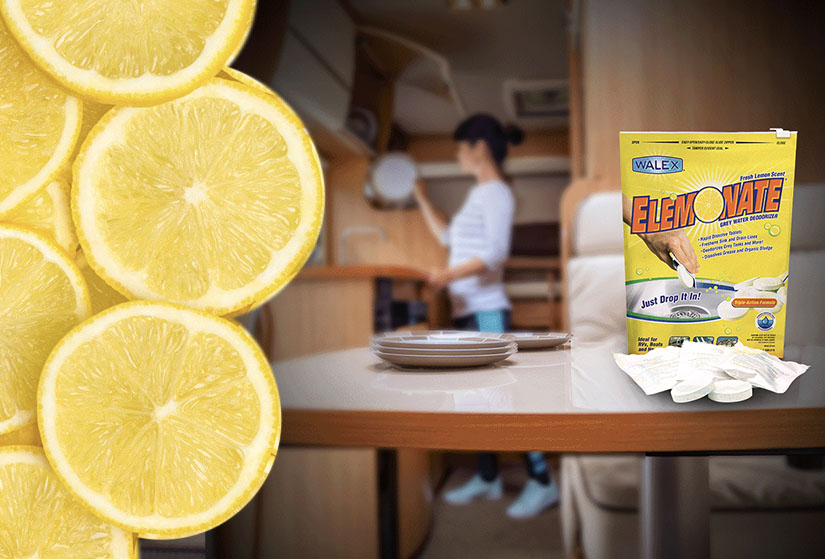
How to De-Winterize Your RV Tanks for Spring
How to De-Winterize Your RV Tanks for Spring
Quick Answer: When de-winterizing your RV, deep-clean both the black and grey holding tanks using enzyme-based treatments. This removes residual buildup, eliminates odors, restores sensor accuracy, and prepares your system for summer travel.
Why Spring Tank Cleaning Is Important
After months in storage, waste residue, grease, and odor-causing buildup can remain inside your holding tanks. If not properly cleaned, this buildup can cause:
- Persistent odors
- False sensor readings
- Slow drainage
- Valve and seal issues
- Clogs from hardened waste
A spring deep clean ensures your RV is road-ready and odor-free.
How to Clean Your RV Black Tank After Winter Storage
For black tank cleaning, use a concentrated enzyme treatment such as Commando.
Why Enzyme Cleaning Works
Enzymes break down organic waste and toilet paper stuck to tank walls and sensors. This residual buildup is a common source of foul odors and inaccurate level readings.
How to Use a Black Tank Cleaner
- Empty and rinse the tank.
- Drop one pre-measured packet into the toilet.
- Fill the tank above sensor level.
- Let sit for 12–24 hours (longer for stubborn buildup).
- Dump and rinse.
In many cases, this restores sensor function without scrubbing or agitation. For preventative maintenance, repeat every three months.
How to Clean Your RV Grey Tank After Storage
Your grey tank collects water from sinks and showers, which leads to grease, soap residue, and organic sludge buildup over time.
Elemonate is designed specifically for grey tank sanitation and drain line maintenance.
How to Use a Grey Tank Treatment
- Drop one tablet into a sink drain.
- Run water briefly to dissolve.
- Allow time for enzymes to break down grease and sludge.
- Empty the tank fully.
Regular use helps keep drain lines free-flowing and odor-free.
Spring RV Tank Maintenance Checklist
- Deep-clean black tank
- Restore sensor accuracy
- Clean grey tank and drain lines
- Lubricate valves and seals
- Eliminate residual odors before travel
Bottom Line
De-winterizing isn’t just about refilling water lines—it’s about starting the season with clean, properly functioning holding tanks. Using enzyme-based treatments simplifies the process and helps prevent odor and performance issues during peak travel months.
Happy Adventuring!

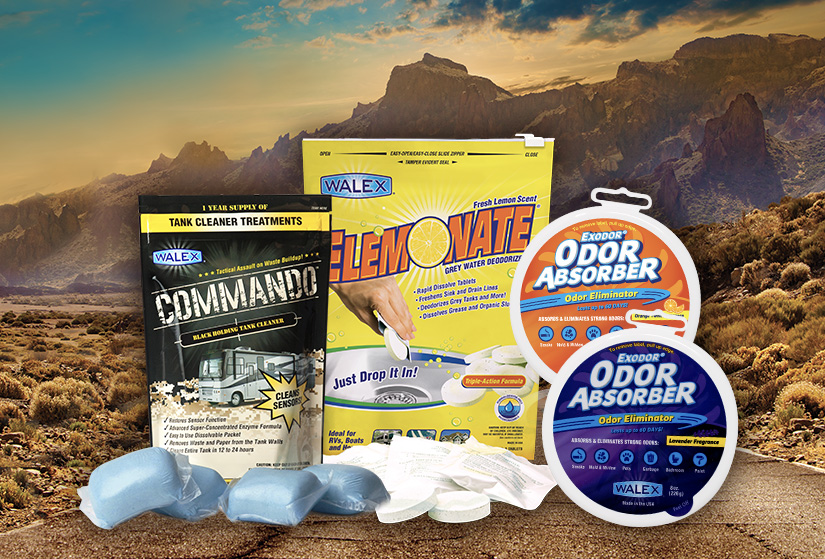
Why Does My RV Still Smell? Common Odor Sources and Solutions
Why Does My RV Still Smell? Common Odor Sources and Solutions
Quick Answer: If odors linger in your RV even after using a black tank deodorizer, the source may be your grey tank, interior air, or hardened black tank buildup. Targeted treatments for each odor source provide complete odor control.
Odor Source #1: Grey Holding Tank
Many RV owners focus only on the black tank, but the grey tank can also produce strong odors. Grey tanks collect water from sinks and showers, which contains:
- Grease and cooking residue
- Soap scum
- Food particles
- Organic sludge
Over time, this buildup can generate unpleasant smells.
Solution: Grey Tank Enzyme Treatment
Elemonate is designed specifically for grey holding tanks. The quick-dissolving tablet contains enzymes that break down grease and sludge while releasing a fresh lemon scent.
To use:
- Drop one tablet into the sink drain.
- Run water for several seconds to dissolve.
- Allow enzymes to work inside the tank.
Odor Source #2: Interior Air (Mildew, Trash, Laundry)
RVs are compact spaces, which means odors from garbage, damp towels, or pets can quickly become noticeable.
Solution: Air Odor Neutralizer
Odor Absorber is a charcoal-infused gel that traps and neutralizes airborne odor molecules. Once opened, it works continuously for up to 60 days.
Common placement areas include:
- Under the sink
- Inside trash bins
- Near laundry storage
- In storage compartments
Odor Source #3: Black Tank Buildup (“Pyramid Plug”)
If black tank odors persist even when using deodorizer, hardened waste buildup may be the problem. This often happens when insufficient water is used, allowing solids to accumulate and cake onto tank walls and sensors.
This buildup can:
- Trap residual odor
- Cause false sensor readings
- Restrict proper tank flow
Solution: Deep Black Tank Cleaning
Commando is a concentrated enzyme cleaner designed to break down hardened solids and restore tank performance.
To use:
- Empty and rinse the tank.
- Add one packet and fill the tank with water.
- Let sit for 12–24 hours (longer if needed).
- Dump and rinse again.
The enzyme formula works without scrubbing to clean tank walls and sensors.
Complete RV Odor Control Strategy
- Treat black tank regularly
- Maintain grey tank with enzyme tablets
- Use adequate water after dumping
- Neutralize interior air odors
- Deep clean periodically
Bottom Line
If your RV still smells, the issue may not be your black tank deodorizer—it may be another overlooked odor source. Targeting each source individually ensures a fresher, more comfortable travel experience.
Need Help? Call 800-338-3155 or visit your local RV dealer for product guidance.

How Do Enzyme RV Tank Treatments Benefit Your Holding Tank?
How Do Enzyme RV Tank Treatments Benefit Your Holding Tank?
Quick Answer: Enzyme-based RV holding tank treatments speed up the breakdown of waste and toilet paper, helping prevent clogs, reduce odors, improve dumping efficiency, and keep tank sensors functioning properly.
What Are Enzymes and How Do They Work in RV Tanks?
Enzymes are naturally occurring proteins that act as catalysts, meaning they accelerate specific biological reactions. In an RV black or grey holding tank, enzymes help digest organic waste and toilet paper more quickly and efficiently.
Once added to the tank, enzyme formulas begin working immediately to liquefy solids and reduce the buildup that can accumulate on tank walls and sensors.
How Do Enzyme Treatments Prevent Clogs?
By breaking down waste and paper into smaller, more fluid particles, enzyme treatments help prevent:
- Pyramid buildup
- Paper accumulation
- Slow drainage
- Restricted flow during dumping
This improved digestion makes it easier to empty the tank completely when it reaches about two-thirds full.
Do Enzyme Tank Treatments Control Odors?
Yes. Odors often originate from undigested organic material inside the tank. Enzymes help neutralize odors by accelerating the decomposition of waste rather than simply masking smells.
Can You Use Regular Toilet Paper with Enzyme Treatments?
Many RV owners purchase specialty RV toilet paper to prevent clogs. However, a high-quality enzyme-based formula is typically powerful enough to digest standard household toilet tissue, eliminating the need for special paper.
Which Types of Enzyme Products Are Available?
There are several types of enzyme-based RV treatments, including:
- Black tank deodorizer and digester – For routine odor control and waste breakdown (e.g., Bio-Pak).
- Deep-clean black tank treatment – For removing hardened buildup and restoring sensors (e.g., Commando).
- Grey tank deodorizer – For breaking down grease and organic sludge in sink and shower tanks (e.g., Elemonate).
Why Product Quality Matters
Not all enzyme formulas are created equal. Higher-quality treatments are engineered for faster activation, stronger digestion, and consistent performance across varying climates and usage levels.
Bottom Line
Enzyme-based RV tank treatments improve digestion, reduce odors, prevent clogs, and help maintain accurate sensors—making them a smart choice for routine holding tank maintenance.
Happy Adventuring!


Can You Use RV Grey Tank Deodorizer in Your Home Drains?
Can You Use RV Grey Tank Deodorizer in Your Home Drains?
Quick Answer: Yes. An enzyme-based grey tank deodorizer designed for RV use can also help freshen home sinks, shower drains, and garbage disposals by breaking down grease and organic buildup.
What Is a Grey Tank Deodorizer?
A grey tank deodorizer is formulated for the RV tank that collects water from sinks and showers. These tanks accumulate soap residue, grease, food particles, and organic sludge—all of which can produce unpleasant odors over time.
Elemonate is a quick-dissolving tablet that releases digestive enzymes to break down odor-causing buildup while leaving behind a fresh lemon scent.
Can You Use Grey Tank Tablets in Household Drains?
Yes. The same types of organic residue that cause odors in RV grey tanks—grease, food scraps, and greywater buildup—can also accumulate in home plumbing systems.
Using an enzyme-based deodorizing tablet in your kitchen sink, bathroom drain, or garbage disposal can help neutralize these odors.
How to Use an Enzyme Deodorizer in Home Sinks
- Drop one tablet directly into the sink or disposal.
- Run water for several seconds to help dissolve it.
- Allow the enzymes to coat the drain lines.
The enzymes begin breaking down organic buildup while freshening the drain.
Is It Safe for Plumbing and Septic Systems?
Enzyme-based drain treatments are generally safe for pipes because they do not rely on harsh corrosive ingredients. They work by accelerating natural digestion rather than chemically stripping residue.
Because the formula uses natural enzymes, it is also compatible with septic systems and will not disrupt beneficial bacteria.
When Should You Use a Drain Deodorizer?
- If your sink emits a foul odor
- After cooking greasy meals
- If your garbage disposal smells
- As preventative maintenance for drains
Bottom Line
An enzyme-based grey tank deodorizer isn’t just useful in your RV—it can also help maintain fresher-smelling home drains. By targeting grease and organic sludge at the source, it provides safe and effective odor control.
Happy Adventuring!
Black tank sensors reading 2/3 full? Here's the solution.
How to Fix RV Black Tank Sensors That Read Incorrectly
Problem: RV black tank sensors often show false readings—usually stuck at 2/3 full—even after dumping.
Quick Answer: Sensor misreadings are typically caused by waste and toilet paper residue stuck to tank walls. Cleaning the tank with an enzyme treatment like Commando can restore accurate readings in as little as 12–24 hours without scrubbing or agitation.
Why Are My RV Black Tank Sensors Showing the Wrong Level?
False readings happen when residue builds up on tank walls and sensor probes. This buildup tricks sensors into detecting liquid levels that aren’t actually there. Even after dumping, debris stuck to the sensors can make them appear partially full.
When sensors are inaccurate, RV owners often dump more frequently than necessary, which can lead to poor waste breakdown and the formation of hardened waste buildup commonly called a “pyramid plug.”
How Do You Clean RV Tank Sensors?
The easiest way to clean black tank sensors is by using a drop-in enzymatic cleaner designed to break down residue inside the tank.
Step-by-Step Sensor Cleaning Method
- Empty the holding tank completely and rinse to remove leftover chemicals.
- Close the dump valve, drop one Commando packet into the toilet, and flush.
- Fill the tank above the highest sensor (or completely full).
- Let it sit for at least 12 hours. For tougher buildup, leaving it longer can improve results.
- Dump and rinse again. Then add deodorizer and refill with about 1.25 gallons of water per 10 gallons of tank capacity.
How Does an Enzyme Tank Cleaner Work?
Enzyme-based treatments release natural digesting agents that break down waste, paper, and residue inside the tank. As buildup dissolves, sensors become exposed again and can read liquid levels accurately.
How Often Should You Clean RV Tank Sensors?
For preventative maintenance, clean your tank every three months. Regular treatment helps keep tank walls clear, lubricates valves and seals, and reduces the chance of clogs or inaccurate readings.
Many RV owners also include a deep tank cleaning as part of their winterizing routine to prevent buildup during storage.
When Should You Use a Tank Cleaning Treatment?
- Sensors always show partially full
- Readings fluctuate randomly
- Tank was stored without cleaning
- Dumping frequency has increased unexpectedly
- You suspect residue or buildup inside the tank
Pro Tip: If your sensors are inaccurate, cleaning the tank is almost always more effective than replacing the sensors themselves.
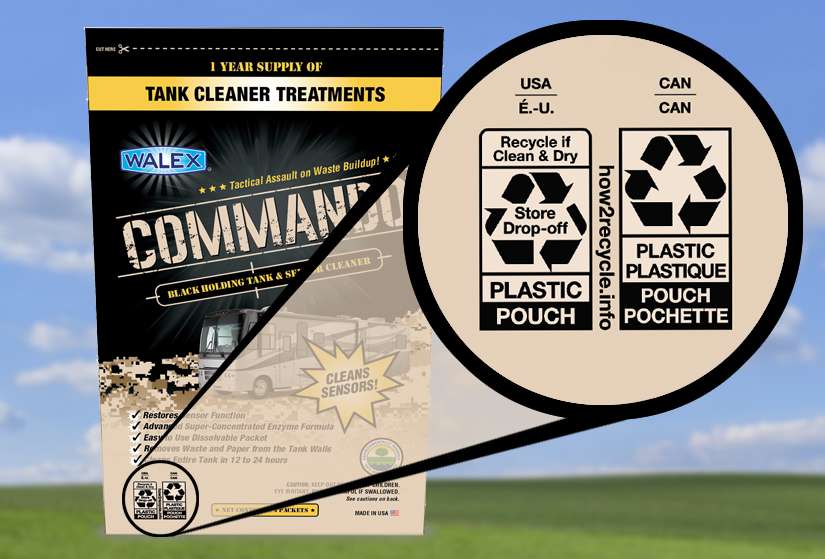
Commando now available in recyclable packaging
After debuting recyclable packaging for Bio-Active Septic Tank Treatment in 2021, Walex is now packaging its black holding tank cleaner, Commando, in the same eco-friendly material.
Walex plans to transition several more of its RV/Marine product line to recyclable material in the coming years. The effort is part of an eco-friendly initiative extending to the product formulas; all of Walex's RV/Marine products comply with the country's most stringent environmental standards.
Recycle your Commando bag in a plastic bag recycling bin located at many retail stores, including Lidl, Target, Walmart, and Wegmans. To recycle, ensure the package is clean and dry before placing it in the bin.
The new recyclable bags are stamped with a seal from How2Recycle, an organization that aims to clarify the recycling process by standardizing instructions and labels. According to How2Recycle.info, the bag material can be made into synthetic lumber for decking, park benches, or recycled directly into another bag.

How Much Deodorizer Should You Use in a 2.5- or 5-Gallon Porta-Potty?
How Much Deodorizer Should You Use in a 2.5- or 5-Gallon Porta-Potty?
Quick Answer: For cassette toilets or portable potties (2.5–5 gallons), use one full drop-in deodorizer packet per tank. Add the correct amount of water to ensure proper dissolution and effective odor control.
Can You Use RV Tank Deodorizer in a Cassette Toilet?
Yes. Even though many deodorizers are designed for larger black holding tanks, they can also be used in smaller systems like cassette toilets and portable potties commonly found in van conversions and camper vans.
Products such as Porta-Pak come in water-soluble packets, which means there is no need to open or measure the product. Simply drop the entire packet into the tank.
How Many Packets Should You Use?
Always use one full packet. Do not cut or open the packet. The water-soluble casing is designed to dissolve completely once added to the tank.
How Much Water Should You Add?
Water is essential for proper deodorizer performance. It helps dissolve the packet and ensures waste stays below the waterline so the treatment can work effectively.
- 5-gallon tank: Add ¾ to 1 gallon of water
- 2.5-gallon tank: Add approximately ½ gallon of water
The deodorizer can only treat the waste it contacts, so adequate water is critical for odor control and breakdown.
Does Deodorizer Help Break Down Waste?
In addition to controlling odors, many drop-in treatments help break down waste and toilet paper, making the tank easier to empty and clean.
Best Practices for VanLife and Portable Toilets
- Always add water before use
- Use one full packet per tank
- Empty when near capacity for better flow
- Rinse thoroughly after dumping
Need Help? Call 910-371-2242 with any questions about proper product usage.
Happy Adventuring!

4 Essential Products to Keep Your RV Odor-Free and Clean
4 Essential Products to Keep Your RV Odor-Free and Clean
Quick Answer: To keep your RV free from odors, grease, and buildup, you need four essentials: a multi-purpose exterior cleaner, a black tank deodorizer, a grey tank treatment, and an air odor absorber.
Why RV Odor Control Requires More Than One Product
RVs have multiple odor sources: the black holding tank, grey holding tank, cooking areas, pets, and exterior grime. Using targeted products for each area prevents lingering smells and keeps your RV clean inside and out.
1. Multi-Purpose Cleaner for Deep Cleaning
A space-saving, multi-function cleaner is essential for RV living. A 3-in-1 cleaner and degreaser can handle:
- Rubber roof cleaning
- Awning cleaning
- Black streak removal
Products like Green Hornet are available in ready-to-use spray or super-concentrate formulas, allowing you to dilute based on cleaning intensity. This versatility saves storage space while covering multiple cleaning needs.
2. Black Holding Tank Deodorizer
The black tank is the most obvious odor source in any RV. A high-quality deodorizer that also digests waste is essential.
Bio-Pak combines odor control with natural enzyme digestion. The formula breaks down waste and toilet paper, helping prevent clogs and buildup while keeping odors under control. It is septic-safe and environmentally friendly.
3. Grey Holding Tank Treatment
Grey tanks collect water from sinks and showers. Over time, grease, soap residue, and organic sludge can build up and create unpleasant smells.
Elemonate is designed specifically for grey tanks. Simply drop one tablet into the sink and run water briefly to dissolve it. The enzymes work to break down grease and grime while leaving behind a light lemon fragrance.
4. Air Odor Absorber
Even after cleaning tanks and surfaces, airborne odors from cooking, pets, or travel can linger. An air neutralizer helps eliminate remaining smells at the molecular level.
Odor Absorber is a charcoal-infused gel that begins neutralizing odors as soon as it’s opened. It can freshen up to 300 square feet for up to 60 days. Available in subtle scents like lavender and orange twist, it’s ideal for travelers sensitive to strong fragrances.
Complete RV Odor Control Checklist
- Clean exterior surfaces regularly
- Treat black tank after each dump
- Maintain grey tank to prevent sludge buildup
- Use an air neutralizer for lingering smells
Bottom Line
Effective RV odor control requires a complete system—not just one product. With the right cleaner, tank treatments, and air neutralizer, you can travel comfortably without unwanted smells.
Happy Adventuring!

Two products that eliminate airborne odors in RVs
Easily eliminate smells from pets, mildew, garbage, or cooking
If you own an RV, you're probably familiar with Walex's line of powerful holding tank deodorizers. Walex also makes several products designed to eliminate airborne odors caused by pets, mildew, garbage, or cooking.
Odor Absorber neutralizes foul odors
Odor Absorber is a gel product infused with a layer of charcoal that eradicates and absorbs odors. Odor Absorber captures and removes odor molecules in the air. As soon as a container of Odor Absorber is opened, the formula goes to work neutralizing odors in the air and creating a bright, fresh-smelling space. Odor Absorber is a must-have if you're traveling in an RV with pets. Just peel back the label, tuck it into a corner, and remember to change it out every 60 days.
- Works in spaces up to 300′ sq.
- Non-toxic
- Environmentally safe
- Biodegradable
- Available in 2 fragrances: Lavender and Citrus
 Ovation

Ovation is is an air freshener that contains powerful odor control technology and freshening capabilities. It freshens air for up to 30 days. Use it in restrooms, vehicles, homes, storage rooms, or anywhere needing a boost of fragrance. You simply hang it, pin it, or place it wherever you need to freshen the air.
- Portable air freshener
- Commercial strength
- Long-lasting
- Available in 3 fragrances: Fresh, Citrus and Lavender

Does Your RV Black Tank Need a Deep Clean?
Does Your RV Black Tank Need a Deep Clean?
Quick Answer: If you notice persistent odors, false sensor readings, or signs of hardened waste buildup (often called a “pyramid plug”), your black holding tank likely needs a deep enzymatic cleaning.
What Causes Black Tank Odors and Sensor Problems?
Even when using a regular deodorizer, waste and toilet paper can gradually accumulate on tank walls and sensor probes. Over time, this residue can:
- Create lingering odors
- Cause inaccurate tank level readings
- Lead to hardened “pyramid” buildup
- Interfere with valve performance
If your sensors always read partially full or your toilet doesn’t smell as fresh as it used to, buildup is often the cause.
What Is a “Pyramid Plug” in an RV Tank?
A pyramid plug forms when solid waste accumulates and hardens inside the tank, often due to insufficient water use or dumping too frequently. This buildup can restrict flow and contribute to persistent odor problems.
How to Deep Clean Your RV Black Tank
To remove residual waste and restore sensor accuracy, use a concentrated enzyme tank cleaner such as Commando.
Step-by-Step Deep Cleaning Method
- Empty and rinse the black tank thoroughly.
- Drop one pre-measured packet into the toilet.
- Fill the tank above sensor level with water.
- Allow the solution to sit for 12–24 hours (longer if buildup is stubborn).
- Dump and rinse again.
The enzyme formula works by breaking down waste and paper, loosening residue from tank walls, cleaning sensors, and helping lubricate valves and seals.
When Should You Deep Clean Your Black Tank?
- Before winterizing your RV
- After extended summer travel
- If sensors are giving false readings
- If odors persist after dumping
- As preventative maintenance every 3 months
Why Preventative Maintenance Matters
Routine deep cleaning helps prevent buildup before it becomes a major issue. Keeping tank walls clean improves odor control, ensures accurate sensor readings, and reduces the likelihood of clogs during peak travel season.
Bottom Line: If your RV black tank isn’t performing like it used to, a deep enzymatic cleaning can restore function and eliminate stubborn odors—no scrubbing required.
Happy Adventuring!

The Value of the RV Rental Business
RV travel is more popular than ever, and some of those RVs on the road are rented. The RV rental business is booming because it's beneficial on all sides. For the renter, it's a great way to experience the RV lifestyle before deciding to purchase an RV, and the leaser earns money off a pricy vehicle that would otherwise sit in their driveway.
You might be thinking about trying out this unique method of travel for your next getaway. Or, like many RV owners, you might wish to see your RV getting more use when you aren't on the road. If either of those scenarios applies, Walex Products Company, Inc. has you covered! We teamed up with RV renters and owners to help answer any questions and concerns one might have about the rental process from the perspective of both the renter and the leaser.
For the renter:
If you've been thinking about taking the ultimate road trip but aren't quite ready to take the big step of buying an RV, renting one is your next move. Renting also allows you to try out RVs of different styles to find one that fits your needs and lifestyle. Services like Outdoorsy have made the rental process easy and efficient, allowing customers to enjoy the experience. Renters can also reach out to their local RV dealership to rent a variety of choices. In addition, there is no need to worry if you are new to the RV world; your leaser will go over everything you need to know before getting behind the wheel!
John Morgan, @offthegridnc, provided us with valuable insight into the rental process and his experience with leasing his Mercedes Sprinter vans. If you are looking for something easy that requires a minimum setup, the Sprinter van may be a good option for you, as that was a deciding factor for Morgan. From a financial standpoint, the renter will have extra expenses for fuel and campsite fees. Morgan is a big proponent of Harvest Hosts, a membership program in which various wineries and farms offer free parking in exchange for a suggested purchase. Overall, RV rentals allow you to get the best of both worlds, as you get to enjoy the experience without having to make a big purchase.
For the leaser:
You may be wondering- is renting out your RV worth the potential stress of turning over your expensive vehicle to someone else? The simple answer is yes if you do it in the right way. Leasing your RV is a great way to bring in an additional income and even cover the costs of the vehicle's yearly insurance and maintenance upkeep. John Morgan has done very well with his rentals and expects the return investment to be excellent this year.
As with any type of rental, unexpected things can happen, so you will have to be prepared if issues arise. However, you are the one calling the shots, so you can make rules and set expectations for the renter as you please. It's also essential to make sure your renter uses the best products for managing the toilet and holding tank. Walex Products Company has a variety of top-rated products that will satisfy all your RV sanitation needs! Check out our selection of RV products and visit our YouTube page to watch step-by-step instructional videos if you have questions about the application of the products.

Walex debuts recyclable packaging
This year, Walex debuted an industry-first recyclable packaging initiative with our packaging supplier. The first product we switched to the new pouch was our Bio-Active Septic Tank Treatment, but we plan to package all of our RV and Marine drop-in products into this eco-friendly packaging by the end of 2022.
The recyclable packages are stamped with the How2Recycle.info seal, meaning the material is guaranteed to be recycled if appropriately deposited by the consumer. How2Recycle.info is a program that aims to bring clarity to the recycling process by standardizing instructions and labels.
Bio-Active Septic Tank Treatment packaging is labeled as Store Drop-off, meaning the consumer can drop off into a local plastic bag recycling bin rather than recycling it curbside. These bins are located at many retail stores, including Lidl, Target, Walmart, and Wegmans. Just ensure the package is clean and dry before placing it in the bin.
According to How2Recycle.info, the bag material can be made into synthetic lumber for decking, park benches, or recycled directly into another bag.
“Walex takes tremendous pride in developing products that are biodegradable and eco-friendly,” said Bill Williams, President of Walex. “Moving into sustainable packaging is the logical option to ensure we are good stewards of the environment and industries we serve.”